AS/RS Systems

Vertical Lift Module

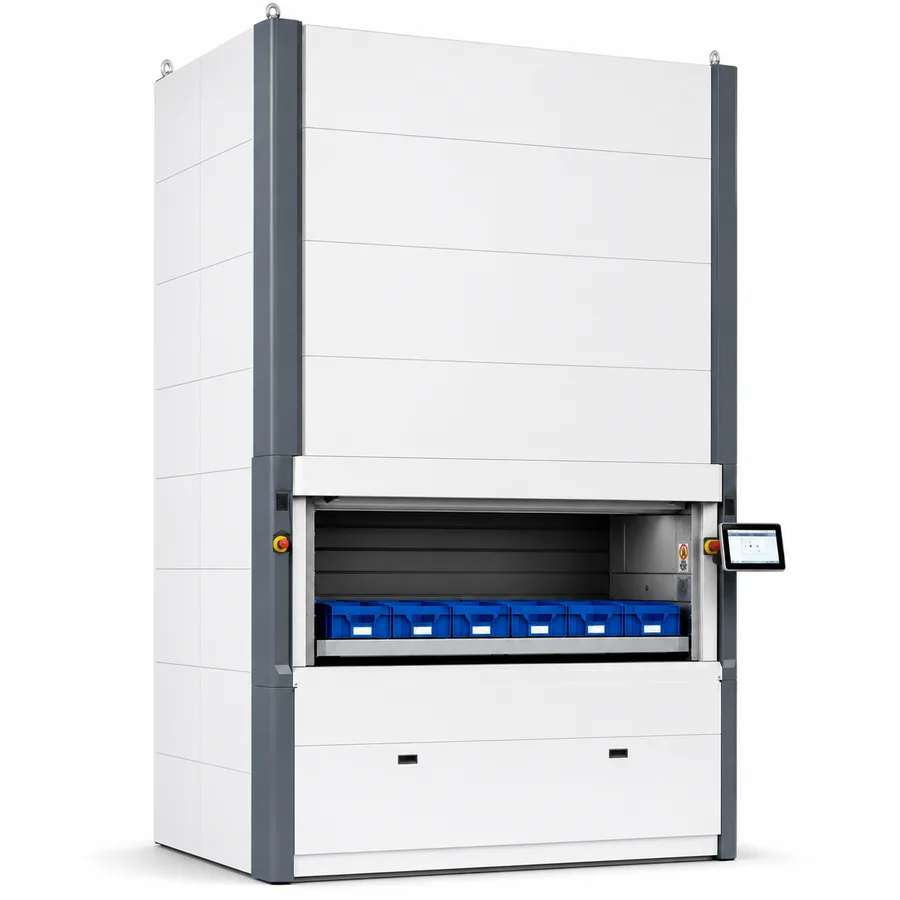
Enclosed tray-based automated storage with a central extractor delivering trays to an access opening.

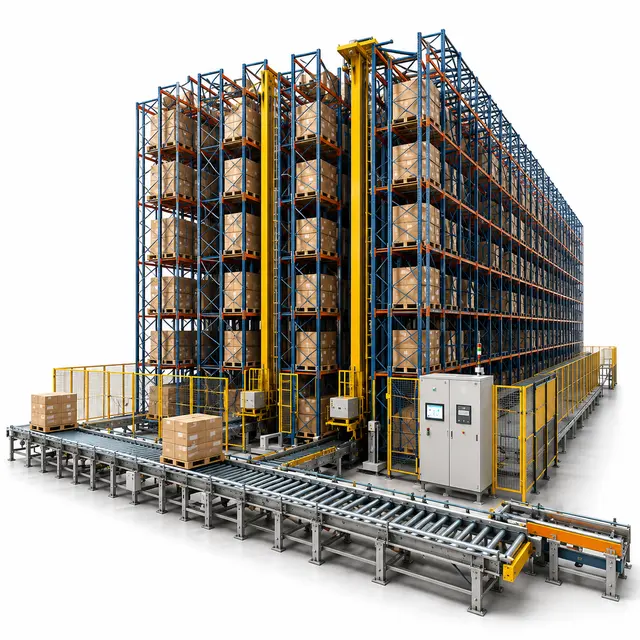
Illustrative configuration of Vertical Lift Module.
Configuration illustration. Final design depends on the confirmed site, load and operating requirements.

Quick Answer

What is Vertical Lift Module?

A Vertical Lift Module, often shortened to VLM, is an enclosed automated storage unit that stores trays vertically and uses an extractor to deliver a selected tray to an access opening. It is commonly reviewed for small parts, tools, components or documents where local ergonomic access and vertical cube use matter. The key checks are tray size, item height, weight distribution, picking process and software interface.

Last reviewed:

Typical applications

Where This System Fits

  • Small-parts and component storage.
  • Maintenance and tool rooms.
  • Electronics, medical or document storage.
  • Facilities with vertical height but limited floor area.
  • Local goods-to-person presentation at an access opening.

Operating logic

How This Product Works

Review the operating principle, load movement and main configuration checkpoints before comparing a system for the application.

Tray based storage

A vertical lift module stores trays inside an enclosed tower and brings the requested tray to an ergonomic access opening.

Tray load interface

Tray dimensions, item height, weight and compartment layout decide storage density, extractor handling and whether parts remain easy to pick.

Access opening workflow

Operators request a tray, pick or replenish items at the opening, then the machine returns the tray to an internal location.

VLM planning inputs

Confirm item dimensions, tray payload, ceiling height, pick frequency, compartment layout, software connection, safety requirements and service access.

Technical notes
  1. A VLM typically stores trays in two vertical columns with an extractor travelling between them. When the operator or software requests an item, the extractor retrieves the tray and presents it at an access opening. This mechanism is different from a carousel because the tray is extracted, not carried around a rotating loop.
  2. Tray planning is the foundation. The buyer should confirm item dimensions, maximum item height, tray layout, dividers, weight distribution and whether items can shift during movement. A VLM can use vertical space efficiently, but the final tray count and usable capacity depend on the real product mix.
  3. The access opening and operator process should be planned. Some projects need one user at a local pick window; others connect scanning, lights, inventory software or batching logic. This local presentation method differs from large conveyor-fed pallet or tote systems.
  4. VLMs can support maintenance stores, spare parts, electronics, medical items, documents or tools, but they are not a pallet system. Forklift aisles, pallet bases and high-bay rack cranes belong to Unit Load AS/RS or pallet racking conversations.
  5. Control options include inventory management, barcode scanning, pick confirmation and user permissions. The enquiry should identify whether the VLM will run as a standalone unit, connect to WMS, or support a wider goods-to-person workflow.
  6. A Vertical Lift Module, often shortened to VLM, presents stored trays at an access opening. It should be evaluated around item height, tray use, operator process, software connection and maintenance access.

System strengths

Advantages

  • Uses vertical space for tray-based storage.
  • Presents items at an ergonomic access opening.
  • Differentiates clearly from carousel and crane-based AS/RS pages.
  • Can connect to scan, inventory or user-control workflows.
  • Keeps tray layout and item-height confirmation central to the enquiry.

Conditions to check

Limitations and Trade-Offs

  • Not intended for full pallets or bulky unit loads.
  • Tray dimensions and item height can limit usable storage.
  • When many users need simultaneous picking, one access opening limits workflow.
  • Software and picking process still need project confirmation.

Configuration brief

Technical specifications available on request

Final specifications for Vertical Lift Module are confirmed from the actual load, site and operating requirements.

  • Item dimensions, maximum height and weight range.
  • Tray size, divider plan and weight distribution.
  • Access opening location and operator process.
  • Standalone software, WMS connection or scan workflow.
  • Replenishment, cycle count and exception handling.
  • Building height, electrical, safety and maintenance access.

Standards and compliance

Applicable Standards and Project Requirements

RUNDA RACK products are designed, manufactured, supplied and installed in accordance with applicable international standards, project specifications and destination-market requirements. The engineering package aligns the product family, load data, site conditions, fire strategy, equipment interfaces and required documentation.

Review the standards framework →

Practical comparison

Compare Common Alternatives

Carousel Storage System
Carousel systems rotate carriers; VLMs use an extractor to retrieve trays from vertical columns.
Goods-to-Person AS/RS
A VLM can serve local goods-to-person picking, while a complete goods-to-person system also covers carrier flow, stations, replenishment and packing.
Mini Load AS/RS
Mini-load normally moves totes or cases through crane aisles and conveyors; VLM is local tray presentation.

Configuration inputs

What to Confirm Before Selection

  • Item dimensions, maximum height and weight range.
  • Tray size, divider plan and weight distribution.
  • Access opening location and operator process.
  • Standalone software, WMS connection or scan workflow.
  • Replenishment, cycle count and exception handling.
  • Building height, electrical, safety and maintenance access.

Product questions

Frequently Asked Questions

How does a Vertical Lift Module work?
It stores trays vertically and uses an extractor to present the requested tray at an access opening.
How is it different from a carousel?
A carousel rotates carriers around a loop, while a VLM retrieves trays from vertical storage columns.
What should be confirmed?
Confirm item height, tray size, weight distribution, access opening, software interface and replenishment process.

Planning resources

Continue Product Planning

Configuration

Discuss the Checked Application

Share the product, site and handling details needed for a suitable configuration.
WhatsAppEmail