AS/RS Systems

Mini Load AS/RS

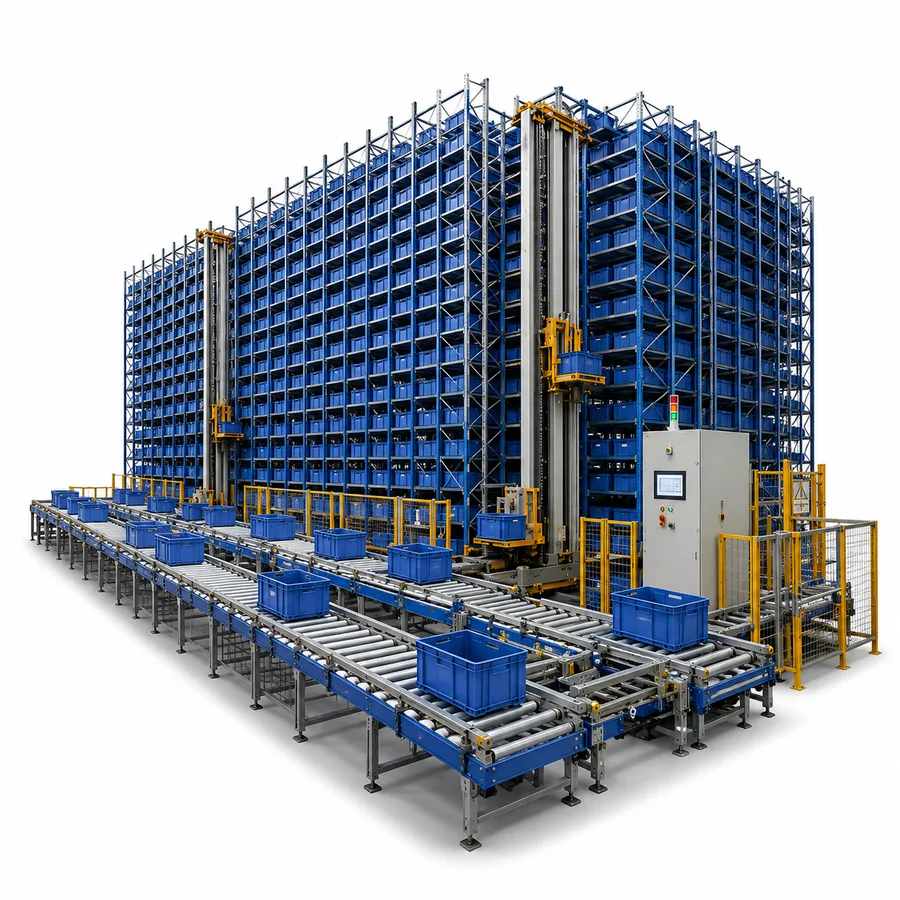
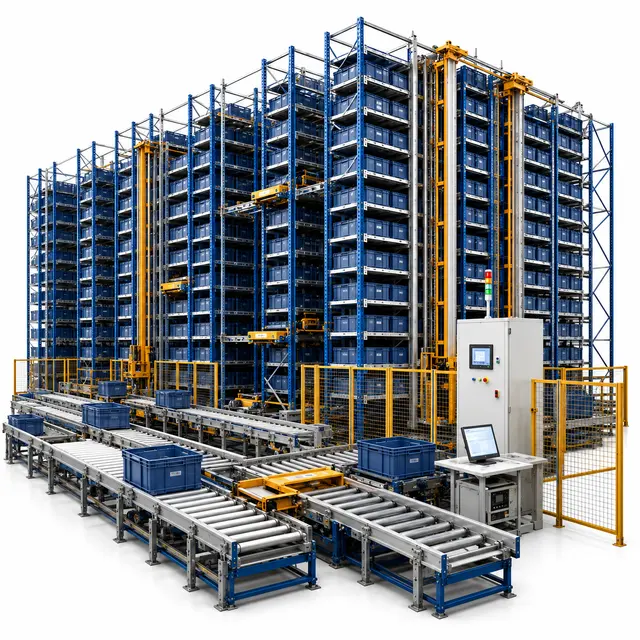
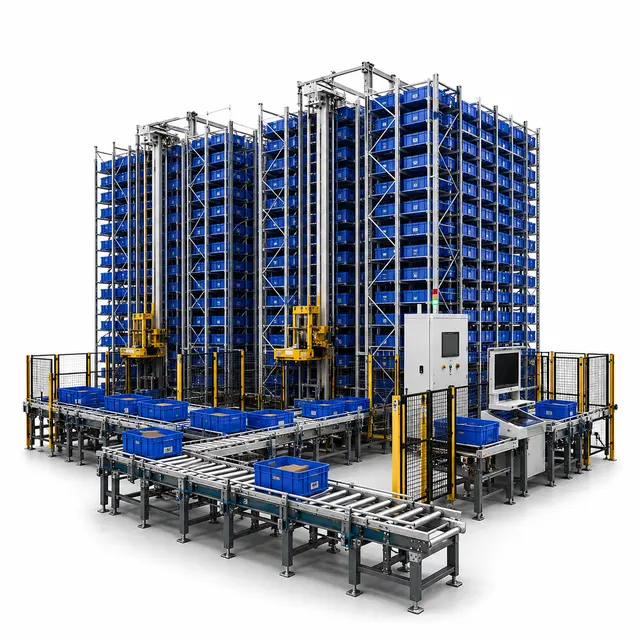
Stacker-crane automated storage for totes, trays, cases and small-load containers.

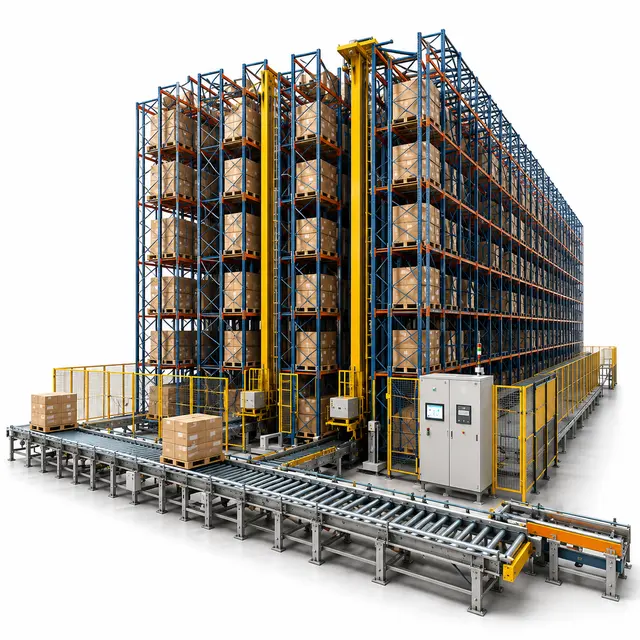
Illustrative configuration of Mini Load AS/RS.
Configuration illustration. Final design depends on the confirmed site, load and operating requirements.

Quick Answer

What is Mini Load AS/RS?

Mini Load AS/RS automates storage of totes, cartons, trays or comparable small-load carriers in a crane-served aisle. A mini-load stacker crane transfers containers between rack locations and defined pick, replenishment or production interfaces. Selection starts with the carrier base and dimensions, SKU and order profile, workstation process, conveyor handoffs, identification points and the exception path for damaged or unreadable containers.

Last reviewed:

Typical applications

Where This System Fits

  • Tote, carton or tray inventory with controlled carrier dimensions.
  • Small-parts order picking connected to ergonomic workstations.
  • Kitting and production replenishment for components held in containers.
  • Crane-served tote or carton buffers between processing, packing or assembly steps.
  • High-SKU operations able to define scan, exception and return flows.

Operating logic

How This Product Works

Review the operating principle, load movement and main configuration checkpoints before comparing a system for the application.

Tote and carton carriers

Mini-load equipment handles standardised small containers, so base geometry, dimensions, labels, lids and condition govern transfers more than pallet specifications.

Small-load aisle equipment

A mini-load stacker crane serves the tote or carton aisle, transferring carriers between dense rack locations and controlled conveyor or station interfaces.

Picking replenishment loop

Requested containers travel to pick or production interfaces, then return to storage, replenishment, packing or an empty-carrier route according to workflow rules.

Container flow inputs

Confirm carrier samples, SKU profile, order lines, infeed checks, workstations, conveyor handoffs, software messages, rejection points and safe maintenance access.

Technical notes
  1. Standard totes, cartons or trays arrive through an infeed where identification and carrier checks can be completed before an automated storage mission is released.
  2. A mini-load stacker crane travels along the aisle and transfers each small carrier between its rack position and the infeed or retrieval interface. Crane reach, aisle geometry and transfer points must match the required storage and access profile.
  3. Retrieval sends the requested container to a conveyor, ergonomic pick station, kitting area, packing point or production replenishment interface rather than presenting a full pallet.
  4. Container geometry is fundamental. Base ribs, deflection, lids, labels, handles and damaged edges can affect centring, extraction and conveyor movement even when the contents are suitable.
  5. The operating profile should distinguish reserve storage, order picking, sequence buffering and line supply. Each role creates different workstation, replenishment and return-container logic.
  6. Software coordinates container identity, location, pick demand, replenishment priority and inventory exceptions. Scan failures and rejected carriers need a reachable diversion or manual-resolution point.
  7. Interfaces should be reviewed as a connected process: decanting or receiving, infeed checks, automated storage, order presentation, empty-tote handling and replenishment back into the system.
  8. Mini-load is a small-item solution. Palletised loads with high-bay conveyor transfer require unit-load AS/RS data and equipment instead.

System strengths

Advantages

  • Matches automated storage locations to totes, cartons and other small carriers.
  • Delivers containers to a defined picking or replenishment interface.
  • Supports location control and container traceability through software missions.
  • Makes carrier testing, scan logic and rejected-container handling visible early.
  • Can connect reserve stock with kitting, packing or line-supply processes.

Conditions to check

Limitations and Trade-Offs

  • Mixed or damaged containers can disrupt extraction and conveyor handoffs.
  • Workstation design and replenishment logic can constrain the total process.
  • Controls, lifts, conveyors and exception routes add integration dependencies.
  • Final mission rate and location count depend on the crane aisle, transfer interfaces and operating profile.

Configuration brief

Technical specifications available on request

Final specifications for Mini Load AS/RS are confirmed from the actual load, site and operating requirements.

  • Tote, carton or tray length, width, height, weight range and physical samples.
  • Carrier base ribs, deflection, lid, handles, label position and damage criteria.
  • SKU count, inventory quantity, order-line profile and required crane missions.
  • Receiving or decanting infeed and container replenishment method.
  • Pick station, kitting, packing, production or buffer handoff.
  • WMS/WCS messages, identification points, rejected-carrier route and manual resolution.
  • Conveyor, lift, guarding, fire, maintenance and recovery access.

Standards and compliance

Applicable Standards and Project Requirements

RUNDA RACK products are designed, manufactured, supplied and installed in accordance with applicable international standards, project specifications and destination-market requirements. The engineering package aligns the product family, load data, site conditions, fire strategy, equipment interfaces and required documentation.

Review the standards framework →

EN 528

Rail-dependent storage and retrieval equipment — Safety requirements for S/R machines

2021Authoritative source ↗

Practical comparison

Compare Common Alternatives

Unit Load AS/RS
Unit Load AS/RS handles pallets or heavy carriers; Mini Load AS/RS handles small containers.
Multi-Shuttle AS/RS
Multi-shuttle systems use many vehicles for sequencing and buffering; mini-load uses stacker-crane aisles.
Vertical Lift Module
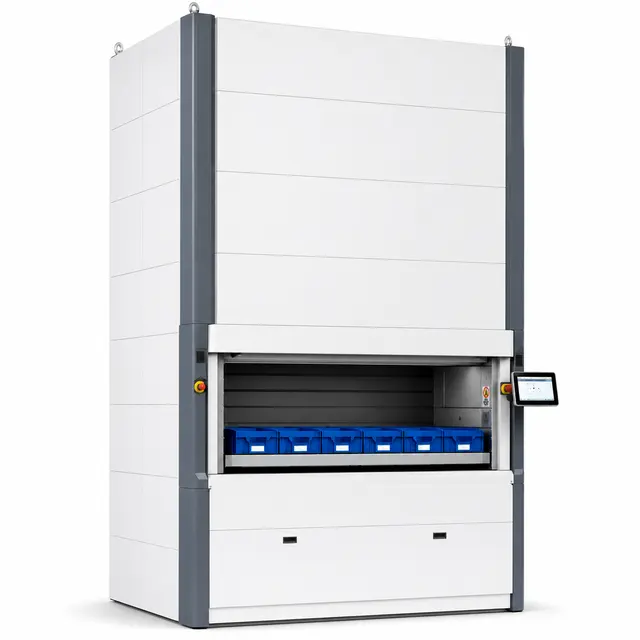
VLM presents trays at a local access opening; mini-load normally connects container flow to conveyors or stations.

Configuration inputs

What to Confirm Before Selection

  • Tote, carton or tray length, width, height, weight range and physical samples.
  • Carrier base ribs, deflection, lid, handles, label position and damage criteria.
  • SKU count, inventory quantity, order-line profile and required crane missions.
  • Receiving or decanting infeed and container replenishment method.
  • Pick station, kitting, packing, production or buffer handoff.
  • WMS/WCS messages, identification points, rejected-carrier route and manual resolution.
  • Conveyor, lift, guarding, fire, maintenance and recovery access.

Product questions

Frequently Asked Questions

What does Mini Load AS/RS store?
It stores small-load carriers such as totes, cartons and trays, not full pallet unit loads.
Which interfaces should be mapped first?
Map receiving or decanting, infeed checks, automated storage, pick or production stations, replenishment, empty-carrier handling and rejection points.
Why test the actual tote or carton?
Base geometry, deflection, lids, labels and damaged edges can change how a carrier centres, transfers and travels on conveyors.
When should Multi-Shuttle AS/RS be compared?
Compare Multi-Shuttle AS/RS as a separate alternative when multiple shuttle vehicles, level-based movement or parallel sequencing are central to the required process.

Planning resources

Continue Product Planning

Configuration

Discuss the Checked Application

Share the product, site and handling details needed for a suitable configuration.
WhatsAppEmail