Mezzanine Floor

Multi-Tier Pick Module System

Process-led multi-level picking structure for fulfilment, carton flow and order consolidation workflows.

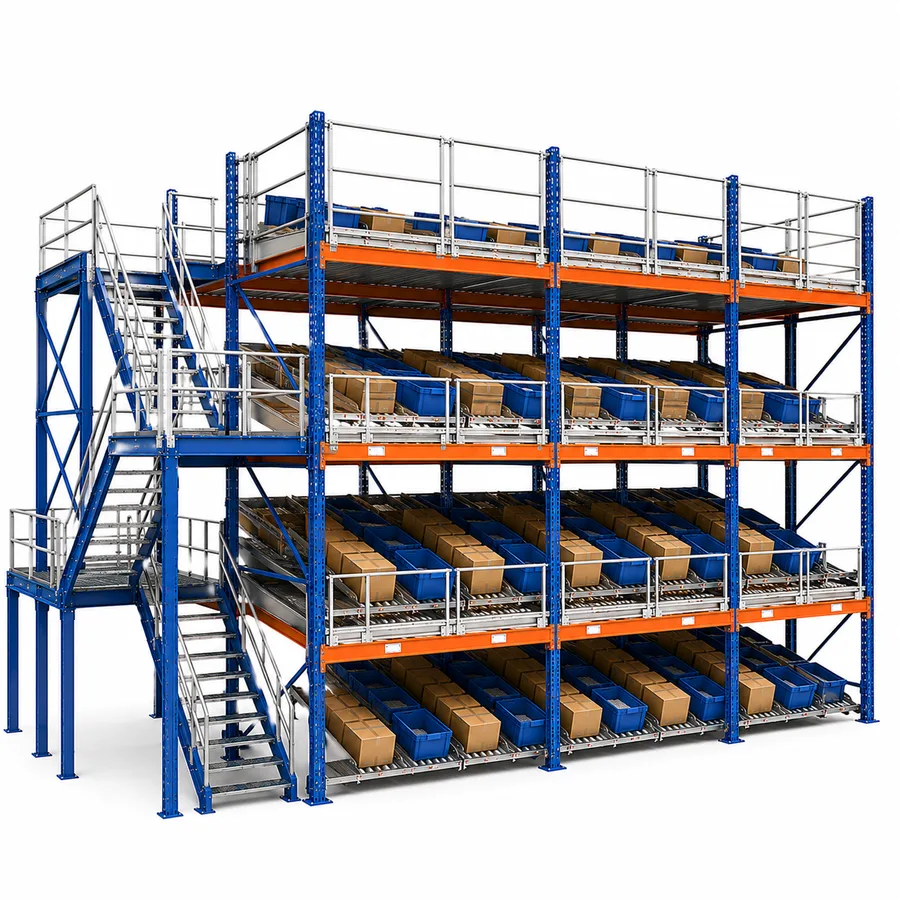
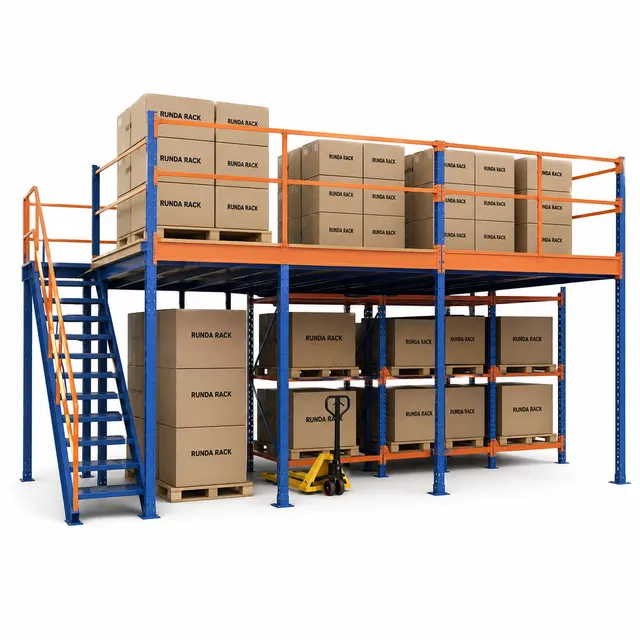
Illustrative configuration of Multi-Tier Pick Module System.
Configuration illustration. Final design depends on the confirmed site, load and operating requirements.

Quick Answer

What is Multi-Tier Pick Module System?

A Multi-Tier Pick Module System is a process-led storage and picking structure for order fulfilment that needs multiple levels, defined pick paths and material-flow interfaces. It differs from a simple mezzanine because the main design driver is throughput: SKU slotting, replenishment, carton flow, conveyor or lift interfaces and order consolidation must be mapped before structure selection.

Last reviewed:

Typical applications

Where This System Fits

  • E-commerce and distribution operations with multi-level picking.
  • SKU profiles requiring defined pick paths and replenishment routes.
  • Facilities integrating shelving, carton flow, conveyors or transfer points.
  • Operations where order flow matters more than simple storage capacity.
  • Buyers with order, SKU and layout data available.

Operating logic

How This Product Works

Review the operating principle, load movement and main configuration checkpoints before comparing a system for the application.

Process led levels

A multi-tier pick module combines elevated levels, shelving, carton flow or conveyors around a fulfilment process rather than just adding floor area.

Picking zone interface

Each level should match SKU velocity, carton size, replenishment method and order consolidation needs so operators do not cross unnecessary paths.

Order flow routing

Goods move through defined pick zones, vertical transitions and packing or consolidation points, making workflow design more important than bay count.

Pick module inputs

Confirm order profile, SKU velocity, clear height, level count, replenishment route, conveyor interface, stairs, gates and fire requirements.

Technical notes
  1. A pick module combines storage media, elevated access, walkways and material-transfer points into one picking workflow. The confirmed configuration specifies the required combination of shelving, carton flow, pallet reserve, conveyors, chutes, lifts and pallet gates for the operation. The structure supports a process rather than just adding square metres.
  2. The first discussion should be about orders, not steel. Order lines per day, SKU count, carton sizes, pick frequency, replenishment method and packing route all affect whether a multi-tier module makes sense. For a simpler storage or upper-access requirement, compare catwalk racking or a mezzanine floor instead.
  3. Different zones can do different work. Configure fast movers near conveyors or primary aisles, slower SKUs on upper levels and reserve stock on separate replenishment routes according to the confirmed workflow. Final throughput depends on the confirmed order and material-flow assumptions.
  4. Material flow interfaces are decisive. Conveyors, carton flow lanes, lifts, pallet drops, spiral chutes or manual transfer points must be coordinated with deck openings, guards and staff routes. This is why the final quotation often needs layout drawings and operational assumptions rather than only length and width.
  5. Safety and building interfaces remain important. Stairs, emergency access, guardrails, kick plates, lighting, sprinklers and fire requirements can change the layout and must be confirmed for the actual site.
  6. Choose a pick module when the main requirement is multi-level order flow. A mezzanine floor is more suitable for broad additional floor area, while catwalk racking focuses on upper access aisles within storage rows.

System strengths

Advantages

  • Positions the product around fulfilment process rather than generic mezzanine space.
  • Connects storage media, walkways and material flow in one planning conversation.
  • Keeps storage positions, walking routes and carton movement within one coordinated fulfilment layout.
  • Avoids unsupported throughput claims while still explaining operational value.
  • Differentiates strongly from catwalk racking, steel platforms and free-standing mezzanines.

Conditions to check

Limitations and Trade-Offs

  • Requires more operational data than a standard rack enquiry.
  • For low-volume storage or occasional access, the added module complexity needs a confirmed multi-level workflow to justify it.
  • Conveyor, lift, fire and egress interfaces can affect scope and timeline.
  • Throughput and labour benefits should be calculated from the actual operation, not guessed.

Configuration brief

Technical specifications available on request

Final specifications for Multi-Tier Pick Module System are confirmed from the actual load, site and operating requirements.

  • SKU count, order lines, pick frequency and peak profile.
  • Carton, tote or case dimensions and weights.
  • Required storage media by zone.
  • Replenishment route and packing or consolidation process.
  • Conveyor, lift, chute, gate or manual transfer interfaces.
  • Building clear height, fire, egress and approval constraints.

Standards and compliance

Applicable Standards and Project Requirements

RUNDA RACK products are designed, manufactured, supplied and installed in accordance with applicable international standards, project specifications and destination-market requirements. The engineering package aligns the product family, load data, site conditions, fire strategy, equipment interfaces and required documentation.

Review the standards framework →

EN 1090-1

Requirements for conformity assessment of structural steel and aluminium components

2009 + A1:2011Authoritative source ↗

Practical comparison

Compare Common Alternatives

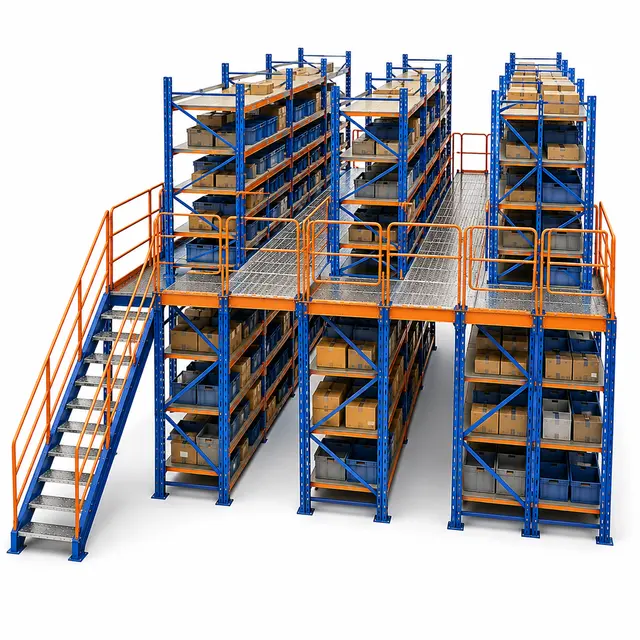
Catwalk Racking
Catwalk racking provides elevated aisle access; pick modules design the full picking and material-flow process.
Carton Flow Rack
Carton flow rack can become one storage medium inside a pick module, but the module covers levels, routes and interfaces.
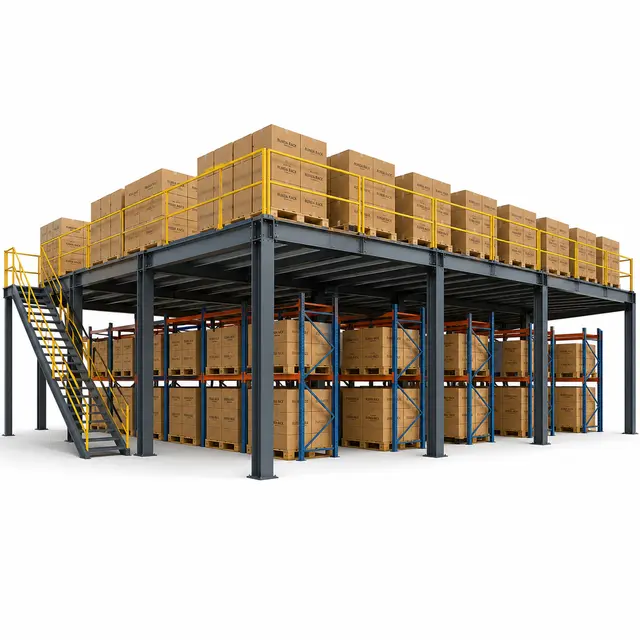
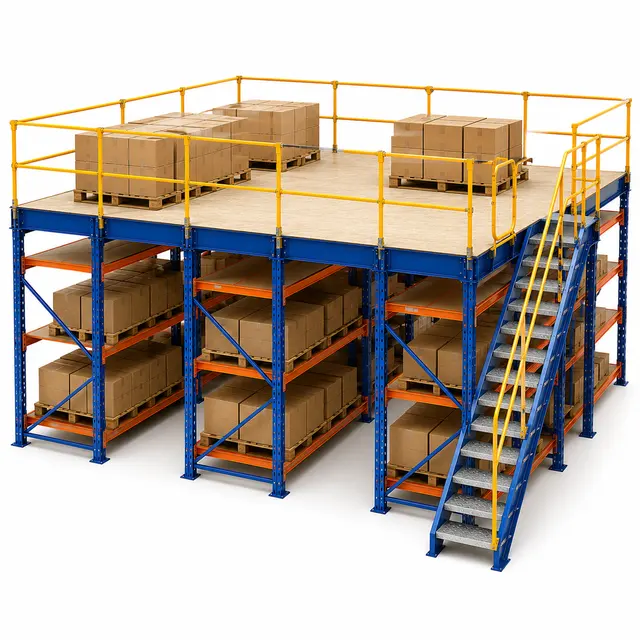
Mezzanine Floor System
Mezzanine floors add usable space; pick modules are designed around order fulfilment flow.

Configuration inputs

What to Confirm Before Selection

  • SKU count, order lines, pick frequency and peak profile.
  • Carton, tote or case dimensions and weights.
  • Required storage media by zone.
  • Replenishment route and packing or consolidation process.
  • Conveyor, lift, chute, gate or manual transfer interfaces.
  • Building clear height, fire, egress and approval constraints.

Product questions

Frequently Asked Questions

What is a multi-tier pick module system?
It is a process-led multi-level picking structure that combines storage, access and material-flow interfaces for order fulfilment.
When is it better than a mezzanine floor?
It is better when SKU slotting, pick paths, replenishment and order flow are the primary design drivers.
What operational data is needed?
Provide SKU count, order lines, carton or tote sizes, pick frequency, replenishment method and conveyor, lift, chute or gate interfaces.

Planning resources

Continue Product Planning

Configuration

Discuss the Checked Application

Share the product, site and handling details needed for a suitable configuration.
WhatsAppEmail