Warehouse Shelving

Parts Bin Shelving

Labelled bin shelving for small components, fasteners and maintenance parts that need separated picking locations.

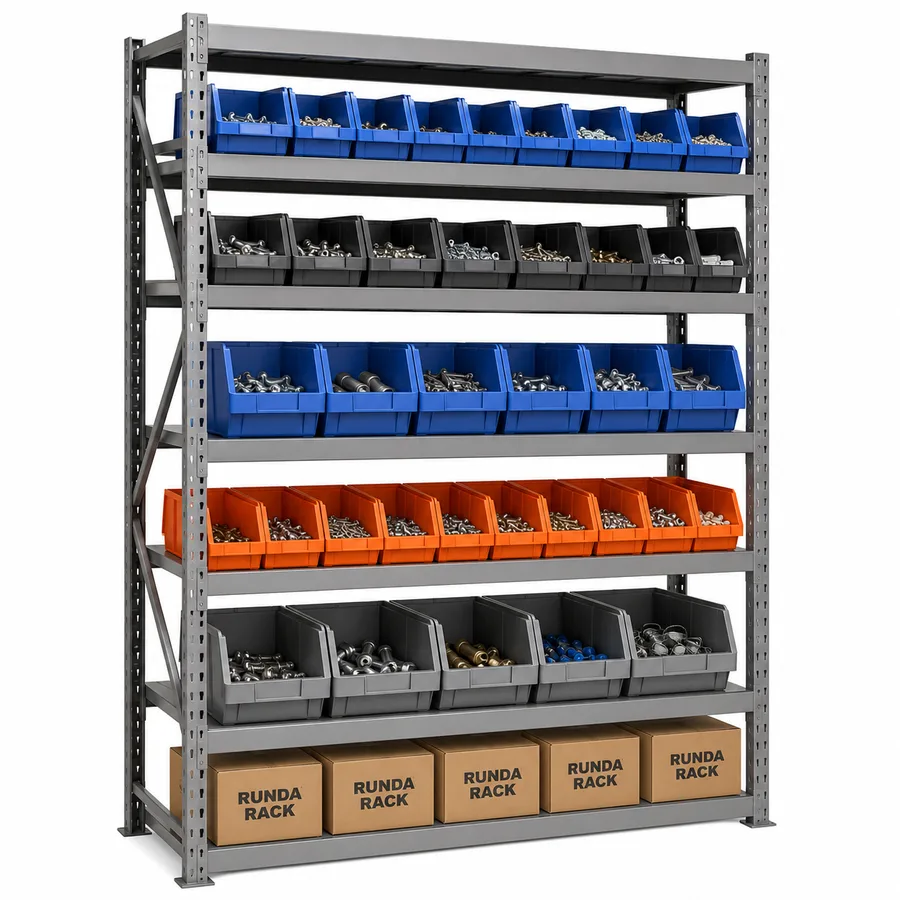
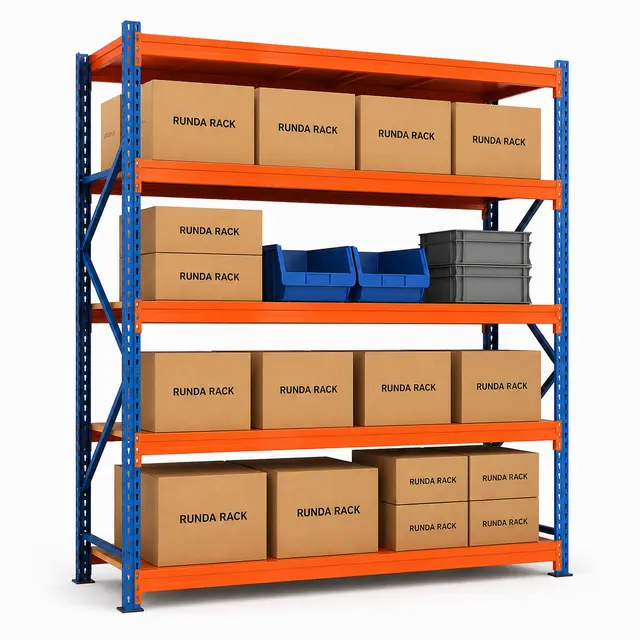
Illustrative configuration of Parts Bin Shelving.
Configuration illustration. Final design depends on the confirmed site, load and operating requirements.

Quick Answer

What is Parts Bin Shelving?

Parts Bin Shelving organises fasteners, fittings, seals, electrical parts and maintenance spares in labelled bins on shelf bays. It suits stores where similar components must stay separated and easy to replenish. Bin size, divider layout, label method, reorder rule and part protection should be confirmed before the rack is configured.

Last reviewed:

Typical applications

Where This System Fits

  • Maintenance stores and assembly support with known load units.
  • Projects where SKU count, refill rule and part protection can be checked before layout approval.
  • Teams needing a clearer alternative to generic storage for fasteners, fittings and small components.
  • Operations that can maintain labels, replenishment rules and housekeeping.

Operating logic

How This Product Works

Review the operating principle, load movement and main configuration checkpoints before comparing a system for the application.

Labelled bin locations

Parts bin shelving separates small components into visible, labelled picking positions so fasteners, spares and maintenance items stay organised.

Small part interface

Bin size, divider style, label method and shelf depth should match item size, picking frequency and whether replenishment is manual.

Fast pick routine

Operators identify the labelled bin, pick the required quantity and return stock to the same defined position for easier counting.

Parts shelving inputs

Confirm part dimensions, bin count, shelf load, label format, picking frequency, replenishment method, aisle width and dust-control needs.

Technical notes
  1. Parts Bin Shelving is designed as a visible component library. The shelf bay supports the structure, while bin colours, dividers, part photos, barcode flags, reorder cards and overflow positions control daily picking.
  2. The handled unit is fasteners, fittings and small components. That unit should be reviewed with photos or samples because footprint, base shape, edge condition, packaging strength and loaded weight change the rack selection more than a generic product name.
  3. Access is specific to the application: the operating face, replenishment side, aisle width, reach height and handling equipment have to match the real workflow. Parts Bin Shelving should therefore be quoted from a site and load brief, not from an unsupported capacity claim.
  4. Rotation is process-led unless the selected mechanism physically advances the load. Labels, batch rules, min-max triggers, kanban cards or job paperwork must be aligned with the rack so operators know what to pick and what to refill.
  5. Compartments, min-max, kanban cards, dividers, small-part accuracy are useful terms for internal selection because they describe the practical interface. They should not be turned into unsupported performance claims, published capacities or promises about availability.
  6. Bin size and label discipline are the main conditions to check. Ignoring them leaves the drawing looking correct while daily operation exposes awkward picking, poor replenishment, load damage or unsafe handling.
  7. Parts Bin Shelving should be compared with wire shelving and line side flow rack because buyers often group these systems together. The difference is the load unit, access face and confirmation input, not only the visible steelwork.
  8. For quotation, Runda Rack should receive load photos, sample dimensions, access constraints, expected stock rotation, environmental conditions and future change expectations. Those details allow a product-specific configuration without adding unsupported dimensions or engineering statements.
  9. A good parts-bin layout reads like an inventory control board. Bin colour, part label, reorder mark, barcode position, divider count and overflow location show whether a component is in use, short, obsolete or waiting for inspection.
  10. Fasteners, seals, bearings, electrical terminals and repair kits need different container behaviour. Heavy metal parts can crack light bins, sharp items can cut labels, and very similar screws need separated compartments to prevent costly substitution during maintenance work.
  11. Replenishment should be designed before labels are printed. Two-bin exchange, kanban card return, min-max count sheets and scanner-triggered orders all need different front-space, card-slot and empty-bin handling details.
  12. Small-part presentation often uses part photos, colour-coded labels, reorder cards, divider walls, portable tote exchange and a rejected-parts container. These signals create a visual component library rather than a general shelf bay.
  13. Counting can happen at bin level: one compartment for active issue, one for reserve, a card slot for reorder and a marked overflow position. This pattern is specific to component control and should not be confused with wire-shelf visibility.
  14. Common examples include O-rings, circlips, bolts, washers, electrical terminals, pneumatic fittings and maintenance consumables. Each family needs a bin shape that lets fingers reach the part without mixing similar sizes.
  15. Parts-bin examples include metric bolts, imperial bolts, grub screws, circlips, hose tails, fuses, cable lugs, bearings, seals, grease nipples and pneumatic elbows. Similar-looking parts need hard separation and readable codes.
  16. Configurable bin-wall features include shadow labels, barcode flags, reorder notches, red shortage cards, quarantine cups, overflow totes and pick-face photos. These inventory-control signals are more specific than any ordinary shelf description.

System strengths

Advantages

  • Matches the storage interface to fasteners, fittings and small components rather than forcing a generic bay.
  • Makes access method, replenishment side and operator contact points explicit.
  • Creates concrete confirmation points for quotation and layout review.
  • Helps separate this product from similar storage systems during selection.

Conditions to check

Limitations and Trade-Offs

  • Bin size and label discipline must be resolved before final configuration.
  • Unsuitable when the load unit varies beyond the selected support or lane arrangement.
  • Stock rotation and traceability still need operating procedures and labels.
  • Project-specific safety, floor, fire and handling constraints require confirmation.

Configuration brief

Technical specifications available on request

Final specifications for Parts Bin Shelving are confirmed from the actual load, site and operating requirements.

  • Sku count, refill rule and part protection.
  • Actual samples or photos of fasteners, fittings and small components.
  • Operating face, replenishment route, aisle width and reach height.
  • Label, batch, FIFO, kanban or job-control rule.
  • Handling equipment, trolley, crane, lift truck or manual process.
  • Floor, anchoring, fire, inspection and environmental constraints.

Standards and compliance

Applicable Standards and Project Requirements

RUNDA RACK products are designed, manufactured, supplied and installed in accordance with applicable international standards, project specifications and destination-market requirements. The engineering package aligns the product family, load data, site conditions, fire strategy, equipment interfaces and required documentation.

Review the standards framework →

Practical comparison

Compare Common Alternatives

Wire Shelving
Parts Bin Shelving is selected for fasteners, fittings and small components; wire shelving should be reviewed when its load unit or access method is a closer match.
Line Side Flow Rack
Compare line side flow rack when bin size and label discipline cannot be resolved within the Parts Bin Shelving arrangement.

Configuration inputs

What to Confirm Before Selection

  • Sku count, refill rule and part protection.
  • Actual samples or photos of fasteners, fittings and small components.
  • Operating face, replenishment route, aisle width and reach height.
  • Label, batch, FIFO, kanban or job-control rule.
  • Handling equipment, trolley, crane, lift truck or manual process.
  • Floor, anchoring, fire, inspection and environmental constraints.

Product questions

Frequently Asked Questions

When should Parts Bin Shelving be considered?
Consider it for maintenance stores and assembly support when the load unit is fasteners, fittings and small components and the access method can be confirmed before quotation.
What is the main limitation of Parts Bin Shelving?
The main limitation is bin size and label discipline. This should be checked with samples, site details and the intended handling process.
What information is needed before configuration?
Provide SKU count, refill rule and part protection, sample dimensions, access route, handling equipment, rotation rule, environment and any safety or inspection constraints.

Planning resources

Continue Product Planning

Configuration

Discuss the Checked Application

Share the product, site and handling details needed for a suitable configuration.
WhatsAppEmail