Warehouse Shelving

Longspan Shelving

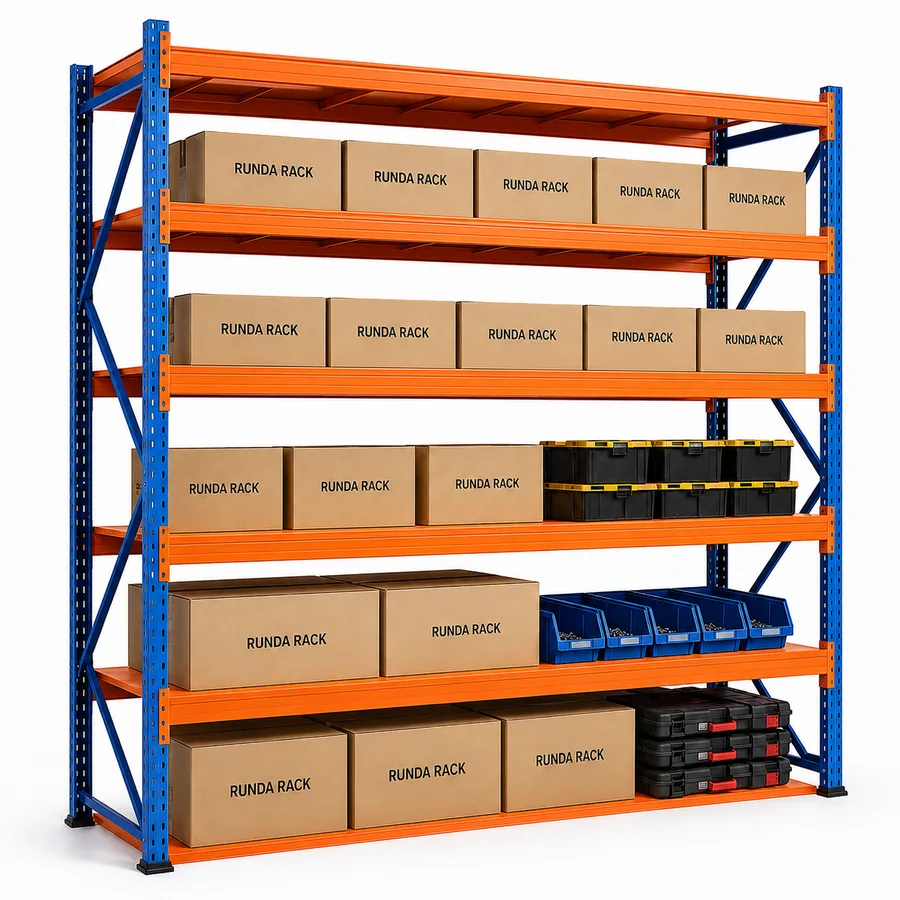
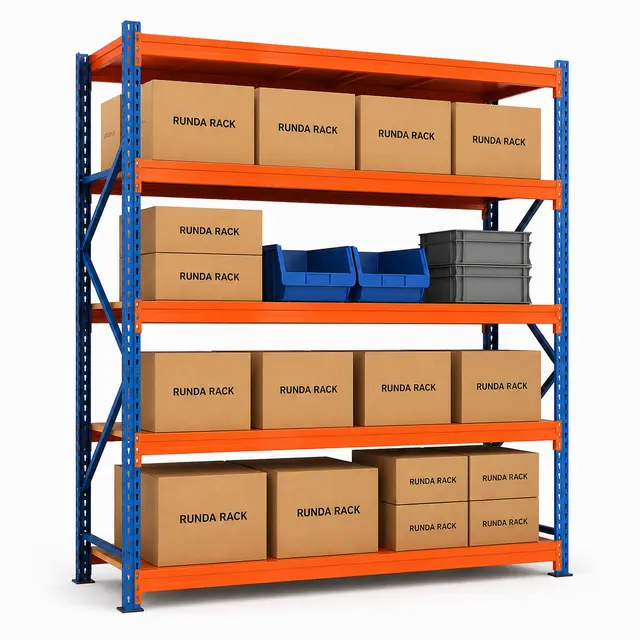
Wide-opening hand-loaded shelving for bulky cartons, archive boxes and goods that need more clear shelf span than standard shelving.

Illustrative configuration of Longspan Shelving.
Configuration illustration. Final design depends on the confirmed site, load and operating requirements.

Quick Answer

What is Longspan Shelving?

Longspan Shelving provides wider clear shelf openings for bulky cartons, crates, archive boxes and service kits that remain hand-loaded. It suits picking areas where ordinary shelf uprights interrupt the stored item but pallet racking is unnecessary. Clear span, deck support, carton footprint, trolley access and picking height should be confirmed.

Last reviewed:

Typical applications

Where This System Fits

  • Bulky cartons and hand-loaded items needing wider shelf openings.
  • Archive, spare-parts and e-commerce picking zones with mixed carton sizes.
  • Manual storage areas comparing ordinary shelving with pallet racking.
  • Layouts where building-height and egress checks confirm a walkway requirement.

Operating logic

How This Product Works

Review the operating principle, load movement and main configuration checkpoints before comparing a system for the application.

Wide shelf openings

Longspan shelving provides wider clear openings than standard steel shelving, making it useful for bulky cartons, archive boxes and large hand-loaded items.

Bulky item interface

Beam length, shelf deck type and level spacing should match carton width, loaded weight and whether goods are handled by one or two people.

Direct access picking

Operators pick from open shelf faces without pallet handling, so aisle width and shelf height should suit manual movement and visibility.

Longspan inputs

Confirm item size, shelf load, bay width, rack depth, shelf deck, number of levels, labels and any carton-picking requirements.

Technical notes
  1. Longspan Shelving is planned around clear beam openings and bulky hand-loaded goods. The first design check is the awkward carton or crate: width, depth, base strength, two-hand removal and trolley withdrawal space.
  2. Retrieval is person-to-goods. Operators walk the aisle, identify a shelf location and remove a carton or item by hand, sometimes with a picking trolley. The system supports manual picking discipline rather than forklift pallet handling at every opening.
  3. Decking selection is important because long spans can support cartons, tubs or irregular goods only when the deck and beams suit the actual footprint. Small feet, soft packaging or point loads require review because loads that do not span the beam spacing need suitable decking for safe support.
  4. When a taller arrangement uses access walkways, the project changes from simple floor-level shelving into a multi-level picking discussion. Stairs, gates, guardrails, emergency egress, lighting and movement of goods between levels then become part of the brief.
  5. Longspan storage does not create automatic stock rotation. FIFO, batch control or slow-moving storage relies on shelf numbering, aisle sequence and replenishment behaviour unless the product is moved to flow racking.
  6. The system differs from boltless shelving because it is selected for clear opening and bulky hand-loaded stock. It differs from pallet racking because loads are still handled manually and should not be treated as pallet positions without separate engineering review.
  7. Longspan planning should start with the awkward carton rather than the average carton. Specify a clear beam opening for wide appliance boxes, fabric rolls, packaging bundles, archive cartons and oversize spare parts when ordinary shelving creates too many post interruptions.
  8. The deck should be reviewed for bridging behaviour. A large carton with a strong base sits cleanly across beams when its footprint bridges them; when a flexible bag, crate foot or narrow component does not bridge the beams, specify mesh, timber or steel decking to avoid local pressure and difficult sliding.
  9. Slotting is usually by family and carton size: bulky slow movers can sit low or high, active cartons should stay at comfortable reach, and replenishment cartons should not block the same aisle used for picking trolleys.
  10. Longspan rows often carry packaging cartons, foam rolls, printed cartons, bulky service kits or archive cartons that need two hands and clear shelf width. When the picker uses a trolley, the aisle should allow carton withdrawal without twisting into adjacent traffic.
  11. Wide-span planning can also reserve oversized bays at row ends for promotional packs, returned large cartons or seasonal items. That oversize-bay conversation is more relevant than small-bin labelling or quick boltless assembly.
  12. Longspan examples include packaging sleeves, appliance cartons, garment cartons, bulk display cartons, plastic crates, sample boards, banner tubes and service-kit boxes. Pickers need clear beam openings and trolley withdrawal space for these awkward shapes.
  13. Select the required combination of oversize end bays, deeper bottom levels, carton stops, mesh decks for crate feet and family-slot labels from the bulky-goods mix. This wide-opening planning separates longspan shelving from ordinary stores shelves.
  14. Longspan rows should mention wide carton withdrawal, appliance-pack depth, two-person lifts, trolley noses, row-end oversize pockets, crate-foot support and packaging-family zones. These bulky-goods details distinguish it from stockroom steel bays.

System strengths

Advantages

  • Wider shelf faces reduce upright interruptions for bulky hand-loaded goods.
  • Direct aisle access supports visible picking and replenishment locations.
  • Deck and level options can be matched to cartons, tubs or packaged components.
  • Can act as a manual picking layer below separate pallet reserve in mixed layouts.

Conditions to check

Limitations and Trade-Offs

  • It is less compartmentalised than parts bin shelving for very small components.
  • Longer spans make load distribution and decking support more important.
  • Taller multi-level versions require walkway, egress and goods-movement planning.
  • It does not replace pallet racking when goods are stored as palletised unit loads.

Configuration brief

Technical specifications available on request

Final specifications for Longspan Shelving are confirmed from the actual load, site and operating requirements.

  • Largest and smallest carton dimensions, item overhang and packaging strength.
  • Load per level, whether loads are evenly distributed, and point-load concerns.
  • Required clear span, shelf depth and desired number of levels.
  • Floor-level picking only or need for upper walkways and goods movement between levels.
  • Aisle width, trolley use, label visibility and replenishment route.
  • Decking material, dividers, back stops, shelf lips and protection details.

Standards and compliance

Applicable Standards and Project Requirements

RUNDA RACK products are designed, manufactured, supplied and installed in accordance with applicable international standards, project specifications and destination-market requirements. The engineering package aligns the product family, load data, site conditions, fire strategy, equipment interfaces and required documentation.

Review the standards framework →

Practical comparison

Compare Common Alternatives

Boltless Shelving
Boltless shelving prioritises modular assembly; longspan prioritises wider clear openings for bulky hand-loaded goods.
Carton Flow Rack
Carton flow moves cartons by gravity to a pick face; longspan keeps static shelf positions and manual rotation.
Selective Pallet Racking
Selective racking stores pallet loads with lift trucks; longspan stores hand-loaded goods with person-to-goods access.

Configuration inputs

What to Confirm Before Selection

  • Largest and smallest carton dimensions, item overhang and packaging strength.
  • Load per level, whether loads are evenly distributed, and point-load concerns.
  • Required clear span, shelf depth and desired number of levels.
  • Floor-level picking only or need for upper walkways and goods movement between levels.
  • Aisle width, trolley use, label visibility and replenishment route.
  • Decking material, dividers, back stops, shelf lips and protection details.

Product questions

Frequently Asked Questions

When should longspan shelving be used instead of regular steel shelving?
Use it when goods are still hand-loaded but need wider clear openings, deeper shelves or fewer intermediate uprights than standard stockroom shelving can provide.
Can longspan shelving support multi-level picking?
It can be part of taller picking arrangements, but walkways, stairs, gates, egress, lighting and goods movement must be reviewed before describing the layout as multi-level.
Does longspan shelving move cartons automatically?
No. It is static shelving. If cartons need to advance to a pick face by gravity, compare carton flow rack and test sample cartons before confirming that option.

Planning resources

Continue Product Planning

Configuration

Discuss the Checked Application

Share the product, site and handling details needed for a suitable configuration.
WhatsAppEmail