Warehouse Shelving

Light & Medium Duty Steel Shelving

Adjustable steel shelving for hand-loaded cartons, components and stockroom inventory that needs visible, direct shelf access.

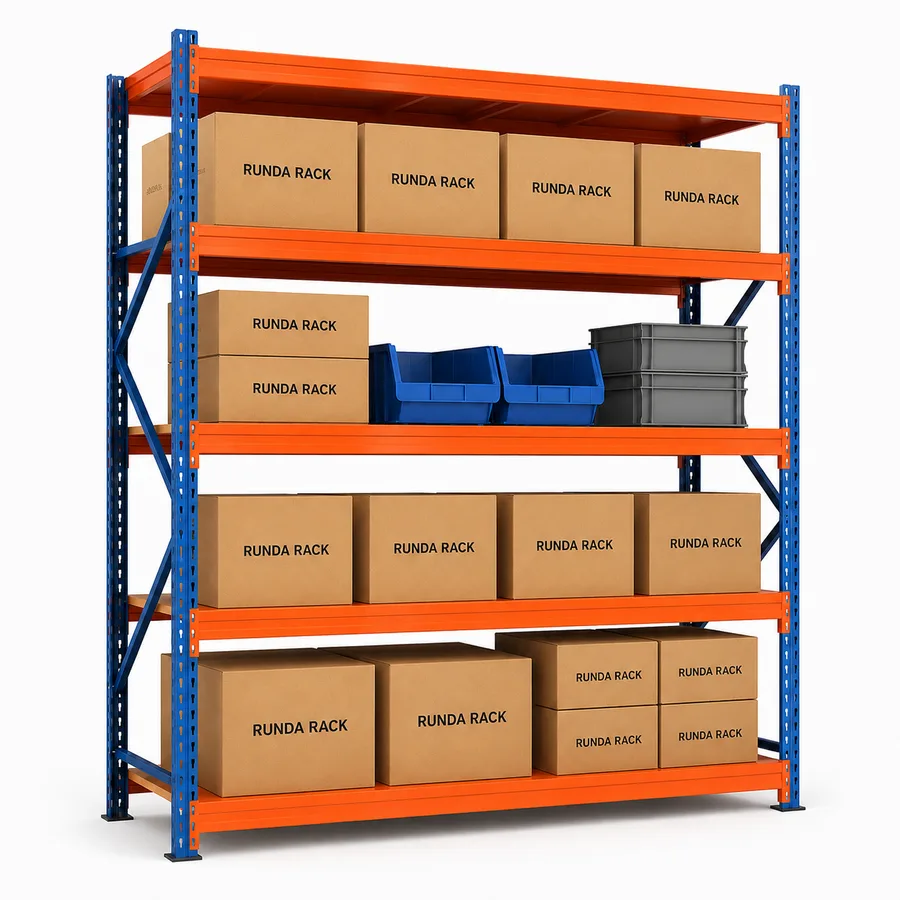
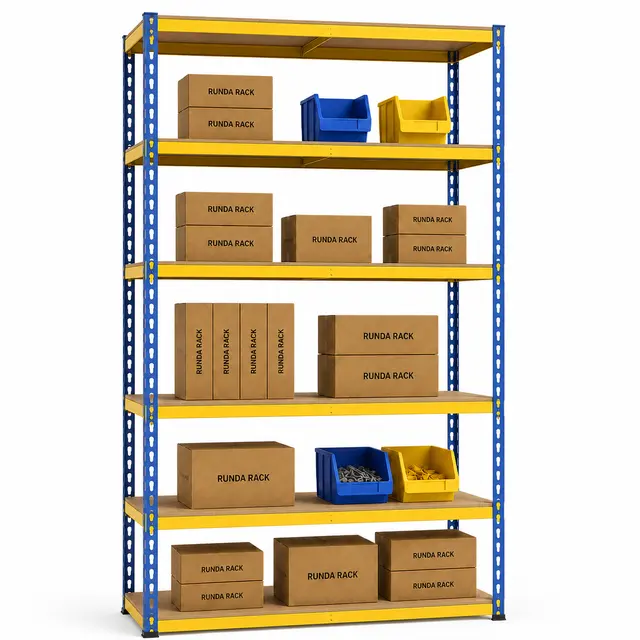
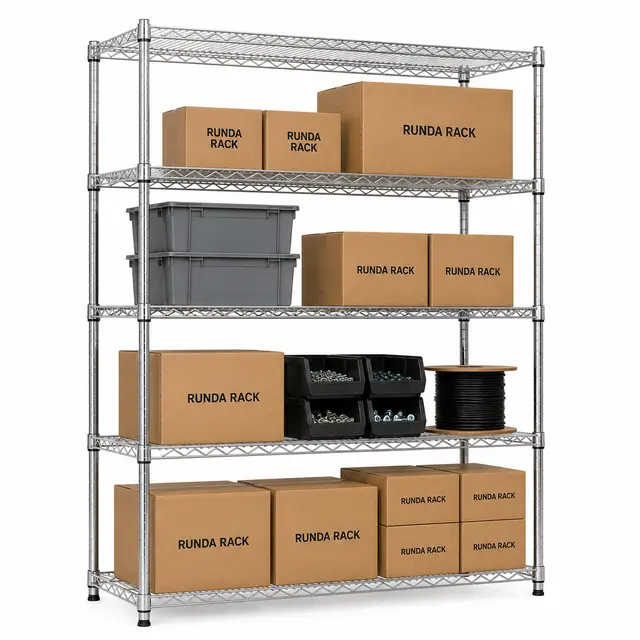
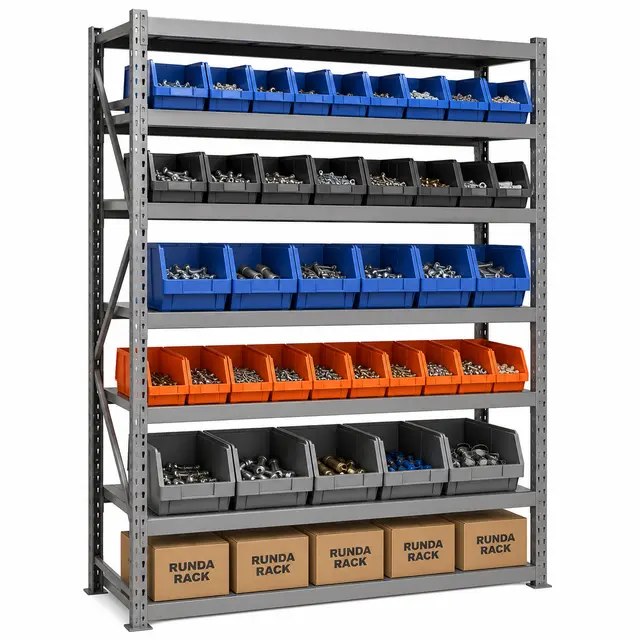
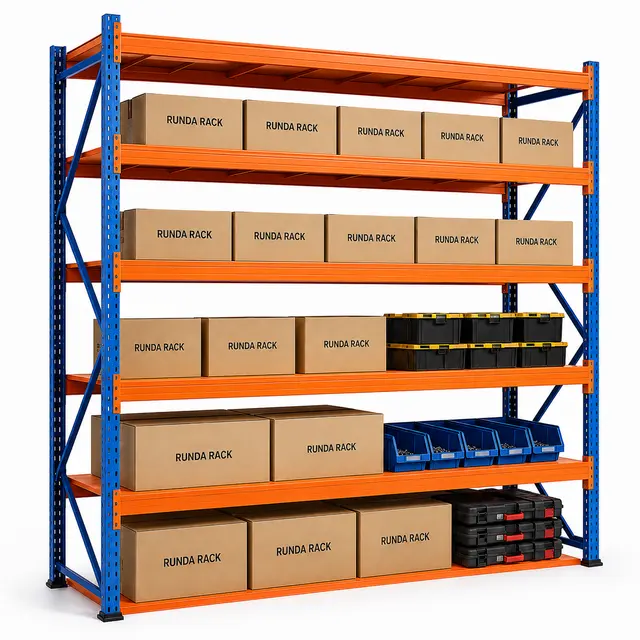
Illustrative configuration of Light & Medium Duty Steel Shelving.
Configuration illustration. Final design depends on the confirmed site, load and operating requirements.

Quick Answer

What is Light & Medium Duty Steel Shelving?

Light and Medium Duty Steel Shelving provides adjustable shelf levels for cartons, tools, documents and hand-loaded components. It suits stockrooms, workshops and warehouse picking areas where staff need direct visual access instead of pallet positions. Shelf load, reach height, item depth and any bins or dividers should be checked before layout approval.

Last reviewed:

Typical applications

Where This System Fits

  • General stockrooms with mixed cartons, tools, parts and document boxes.
  • Manual picking aisles where every shelf location should remain visible.
  • Operations that need adjustable levels but not pallet-position storage.
  • Facilities separating reserve pallets from hand-loaded stock.

Operating logic

How This Product Works

Review the operating principle, load movement and main configuration checkpoints before comparing a system for the application.

Adjustable steel levels

Steel shelving uses adjustable shelf levels for hand-loaded goods, giving visible access for cartons, components and stockroom inventory.

Shelf load interface

Each shelf should be planned around item dimensions, load per level, picking frequency and whether products need bins, dividers or labels.

Manual picking flow

Operators access goods directly from aisle-facing shelves, so reach height, shelf depth and label clarity affect daily picking speed.

Steel shelving inputs

Confirm shelf load, bay size, number of tiers, item dimensions, finish, dividers, back panels, labels and aisle requirements.

Technical notes
  1. Light and Medium Duty Steel Shelving is a direct-access stockroom system with adjustable shelf levels, upright frames and visible aisle-facing locations. The layout should start with carton depth, item height, issue-counter workflow and how storekeepers count or replenish each shelf.
  2. Storage and retrieval are aisle-facing. Operators walk to the shelf, identify the location, remove the item by hand or with a small trolley, and return replenishment to the same visible position. This makes the system easier to count than closed containers, but it depends on clear labels and disciplined housekeeping.
  3. The load unit is usually a carton, spare part, tool kit, document box or loose component placed on a shelf panel. It is not a pallet-position system, so palletised reserve stock should be planned separately unless a mixed storage zone is intentionally designed.
  4. Stock rotation is procedure-led rather than gravity-driven. FIFO, batch priority or minimum-stock rules have to be supported by labels, shelf front presentation and replenishment routines because the shelf itself does not advance goods automatically.
  5. A practical layout checks shelf depth against the stored item so products do not project into walkways. It also checks reach height, picking frequency, lighting, floor condition and whether operators need ladders, trolleys or barcode scanning at the shelf face.
  6. The system differs from boltless shelving because the planning emphasis is general adjustable steel storage rather than quick rivet-style assembly. It differs from longspan shelving because openings are normally smaller and better suited to regular cartons, parts and stockroom materials.
  7. Stockroom zoning should separate issue counters, returns, quarantine totes and reserve cartons. A light or medium shelf bay is strongest as a readable stores map: shelf tickets, aisle-end signs, reorder cards and shallow carton rows help supervisors see shortages before a picker searches several mixed boxes.
  8. For hardware stores and maintenance rooms, shelf-front organisation matters more than high density. Consumables, manuals, boxed electrical items and tool cases need different depths, so the layout should reserve flexible levels for seasonal or project stock rather than filling every bay with one carton size.
  9. If the stored goods include loose packets, aerosols or fragile spare parts, include trays, dividers or closed shelf backs. These accessories change shelf behaviour and help contain or separate small articles.
  10. A typical stores discussion includes bin cards, consumable issue windows, carton labelling, stationery cartons, pump spares, returned tools and quarantine boxes. These everyday stockroom details are specific to plain steel shelving and keep the scope away from wide-span carton beams or quick-build rivet bays.
  11. Shelves can be arranged around administrative control: top levels for rarely issued items, waist levels for daily consumables, lower levels for heavier boxes and one clearly marked location for returned or nonconforming stock awaiting checking.
  12. Stockroom steel shelving examples include stationery archive cartons, printer consumables, pump seal kits, calibration tools, warranty returns, janitorial packs and boxed spare motors. The shelf map can reserve receiving-check slots, issue-counter reserves and locked supervisor levels.
  13. A conservative steel-shelf brief also checks shelf clips, back bracing, wall clearance, dust caps, kick plates, row numbering, manual trolley parking and whether a stores clerk needs an issue hatch rather than open aisle self-service.
  14. Plain steel stockrooms often use ledger numbers, issue slips, reserved quarantine shelves, consumable cabinets, calibration stickers, slow-moving archive ledgers and supervisor-count routines. This administrative storekeeping language keeps the product clearly separate from modular build or oversize carton storage.

System strengths

Advantages

  • Direct visual access to each shelf location supports stock checks and small-order picking.
  • Adjustable shelf levels help the same bay handle changing carton and component sizes.
  • Steel construction provides a practical baseline for stockroom and warehouse shelving discussions.
  • Simple aisle-facing access makes replenishment routes easy to understand.

Conditions to check

Limitations and Trade-Offs

  • It is not designed around pallet handling, so bulk pallet reserve should use a separate system.
  • Storage density depends on aisle width and reach height rather than deep-lane accumulation.
  • Use bins, dividers or labels for loose small parts to avoid mixing on open shelves.
  • Project-specific shelf loads, anchoring and site safety details still need confirmation.

Configuration brief

Technical specifications available on request

Final specifications for Light & Medium Duty Steel Shelving are confirmed from the actual load, site and operating requirements.

  • Item dimensions, carton depth and whether goods are loose, boxed or placed in bins.
  • Estimated load per shelf and any uneven or point-load conditions requiring confirmation.
  • Number of shelf levels, desired clear opening and operator reach height.
  • Aisle width, trolley access, label visibility and picking frequency.
  • Need for closed backs, dividers, bins, anti-fall lips or shelf-front labelling.
  • Floor condition, anchoring expectation, housekeeping rules and inspection responsibility.

Standards and compliance

Applicable Standards and Project Requirements

RUNDA RACK products are designed, manufactured, supplied and installed in accordance with applicable international standards, project specifications and destination-market requirements. The engineering package aligns the product family, load data, site conditions, fire strategy, equipment interfaces and required documentation.

Review the standards framework →

Practical comparison

Compare Common Alternatives

Boltless Shelving
Boltless shelving focuses on fast modular assembly; steel shelving is the broader adjustable hand-loaded baseline for stockrooms and stores.
Longspan Shelving
Longspan provides wider openings for bulky cartons and goods; steel shelving suits smaller regular shelf locations.
Parts Bin Shelving
Parts bin shelving adds labelled containers for small components; for cartons or bins without a dedicated bin presentation, use steel shelving.

Configuration inputs

What to Confirm Before Selection

  • Item dimensions, carton depth and whether goods are loose, boxed or placed in bins.
  • Estimated load per shelf and any uneven or point-load conditions requiring confirmation.
  • Number of shelf levels, desired clear opening and operator reach height.
  • Aisle width, trolley access, label visibility and picking frequency.
  • Need for closed backs, dividers, bins, anti-fall lips or shelf-front labelling.
  • Floor condition, anchoring expectation, housekeeping rules and inspection responsibility.

Product questions

Frequently Asked Questions

When is steel shelving a suitable choice?
It is suitable when goods are handled by hand, need direct shelf access and can be organised by visible locations. It should be checked against item size, shelf load, reach height and aisle activity before quotation.
Does steel shelving provide FIFO automatically?
No. Rotation depends on operating procedure, labels and replenishment discipline. If automatic carton movement is needed, carton flow or line-side flow should be compared.
What information is needed before configuring the shelving?
Confirm item dimensions, shelf load, shelf count, reach height, aisle width, floor condition, label method and whether bins, dividers or closed panels are needed.

Planning resources

Continue Product Planning

Configuration

Discuss the Checked Application

Share the product, site and handling details needed for a suitable configuration.
WhatsAppEmail