Pallet Racking

Narrow Aisle Racking

Direct-access pallet storage using tighter aisles and disciplined truck movement.

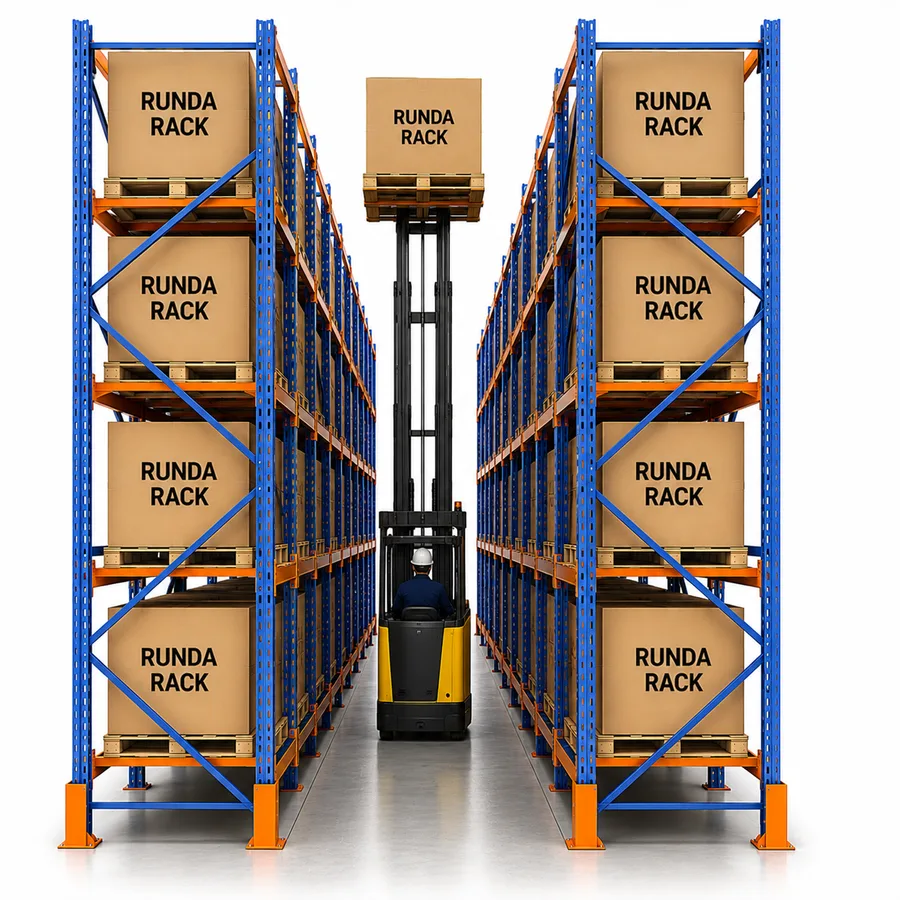
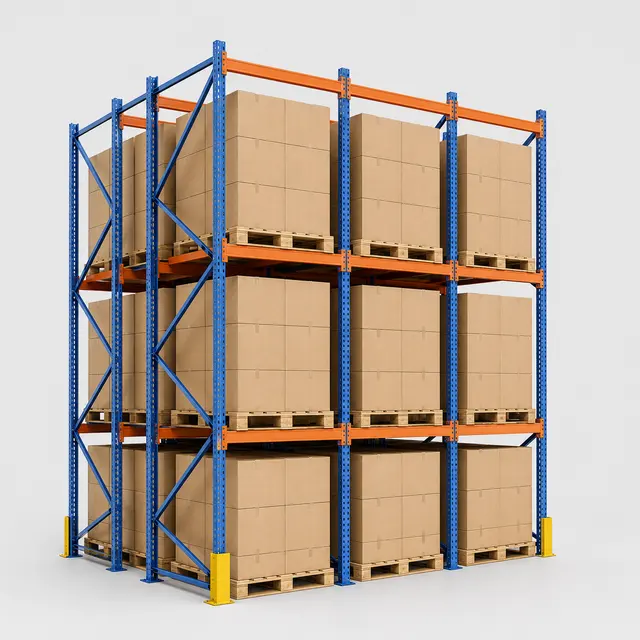
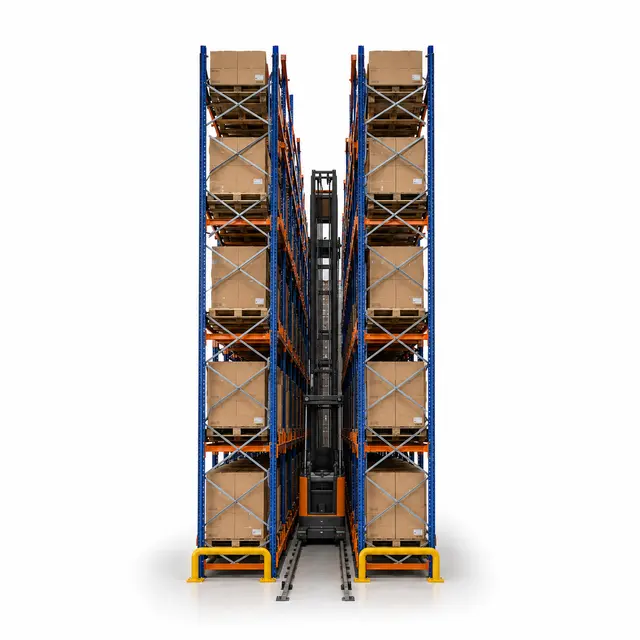
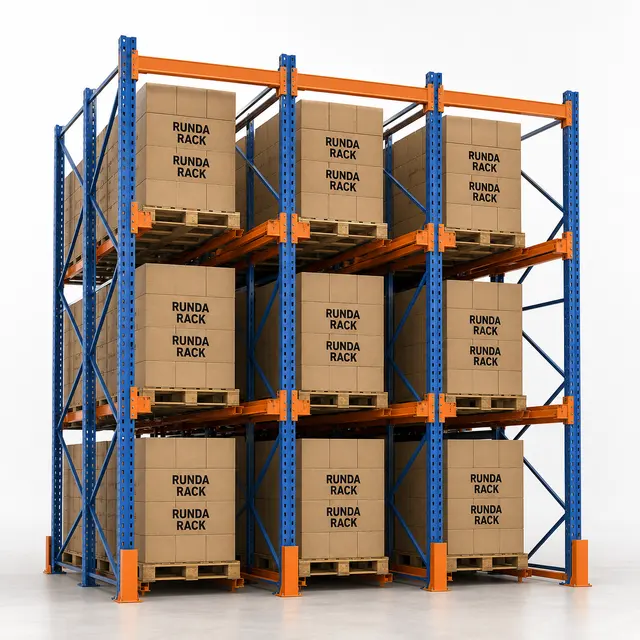
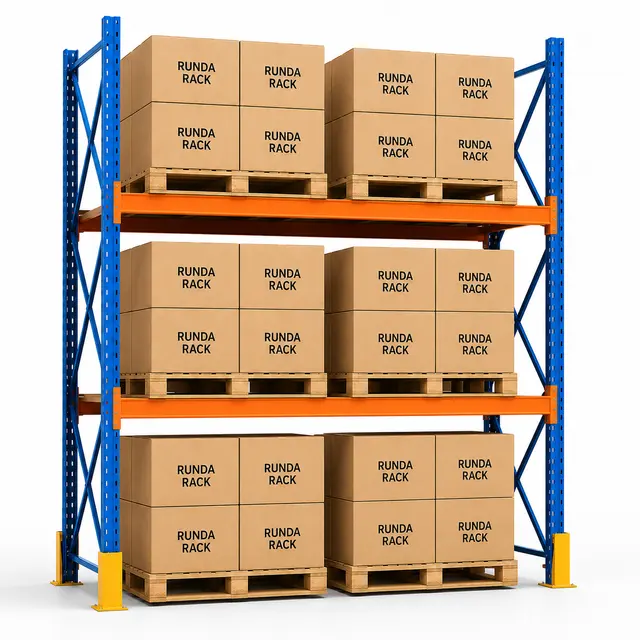
Illustrative configuration of Narrow Aisle Racking.
Configuration illustration. Final design depends on the confirmed site, load and operating requirements.

Quick Answer

What is Narrow Aisle Racking?

Narrow Aisle Racking keeps individual pallet access while reducing operating aisle width through suitable trucks, traffic rules and protection planning. It suits warehouses that need more capacity without adopting deep-lane storage. The trade-off is tighter movement tolerance, so truck specification, floor condition, staging space, pedestrian control and turning areas must be checked before approval.

Last reviewed:

Typical applications

Where This System Fits

  • Existing buildings where fixed aisle width consumes a large share of the usable floor.
  • Operations that still require access to individual pallet locations.
  • Sites prepared to match the rack layout to a defined narrow-aisle truck.
  • Warehouses able to control staging, pedestrians and vehicle entry at aisle mouths.
  • Projects where floor condition, turning pockets and lift height can be surveyed before design.

Operating logic

How This Product Works

Review the operating principle, load movement and main configuration checkpoints before comparing a system for the application.

Tighter selective aisles

Narrow aisle racking keeps direct pallet access but reduces aisle width compared with conventional selective layouts in space-constrained pallet storage areas.

Guided truck interface

The rack, floor and truck must work together because tight aisles leave less tolerance for turning, guidance and load handling.

Controlled pallet access

Operators use specialised trucks or guidance systems to reach each pallet location while keeping access discipline and traffic rules clear.

Narrow aisle inputs

Confirm truck model, guidance method, floor flatness, pallet size, lift height, aisle width, rack protection and emergency access requirements.

Technical notes
  1. Narrow aisle storage keeps the selective access principle but gives less space to circulation. Truck routes, end-of-aisle turning, temporary staging and pedestrian exclusion should be considered part of the rack design rather than an afterthought.
  2. A narrow aisle plan can fail if the truck, floor joints, pallet width or column grid are not checked together. The proposal should show where pallets wait before entering the aisle and how operators avoid repeated reversing at busy rack ends.
  3. Stock rotation uses location-managed rotation like selective racking. The rack layout and warehouse procedure must match this rule before product groups are assigned to locations or lanes.
  4. Handling normally involves narrow-aisle reach truck. Planning should review turning pockets, floor joints, charging areas and pedestrian exclusion, plus pallet condition, protection, inspection access and emergency requirements.
  5. Treat aisle mouths as controlled intersections; many narrow-aisle problems start where pallets wait, trucks turn or pedestrians cross.
  6. The truck envelope should be checked against columns, dock doors, charging bays and any temporary pallet queue near receiving or dispatch.
  7. Floor joints and slab repairs deserve early review because tighter travel paths leave less tolerance for load sway or steering correction.
  8. Operators need clear rules for reversing, waiting and passing; the rack layout alone cannot create traffic discipline.
  9. If the warehouse uses mixed truck fleets, confirm which equipment is allowed inside the reduced aisle zone and where other vehicles must stop.
  10. Narrow aisle planning should protect the direct-access advantage while removing wasted travel width, not simply shrink every aisle on the drawing.
  11. The narrow-aisle decision depends on traffic behaviour: receiving queues, dispatch congestion, pedestrian crossings, temporary pallets, battery exchange, door approaches and driver confidence at tight corners. A reduced aisle can create capacity only if these movements stay outside the travel corridor during normal work.
  12. A useful site survey records truck model, mast behaviour, turning pocket, slab repairs, column clashes, protective barriers, waiting locations, one-way route rules, visibility mirrors, scan stops and rack-end damage history. These operational details distinguish a workable narrow-aisle zone from a drawing that merely compresses dimensions.

System strengths

Advantages

  • Retains an individual address for each pallet location.
  • Reduces circulation width without creating deep storage lanes.
  • Makes the truck, floor and rack interface explicit during layout review.
  • Can fit additional rack runs where conventional turning envelopes use too much floor area.
  • Supports controlled put-away and retrieval through fixed travel routes.

Conditions to check

Limitations and Trade-Offs

  • Reduced clearances leave less room for pallet overhang, steering correction and load sway.
  • Pallets waiting at aisle entrances can interrupt access unless staging is located elsewhere.
  • Truck replacement or fleet changes must remain compatible with the approved aisle geometry.
  • Floor defects, column conflicts and uncontrolled pedestrian crossings require early resolution.

Configuration brief

Technical specifications available on request

Final specifications for Narrow Aisle Racking are confirmed from the actual load, site and operating requirements.

  • Exact truck model, mast height, turning envelope and operating clearances.
  • Proposed clear aisle width, guidance method and transfer space at each aisle end.
  • Slab condition, floor joints, flatness requirements and known repair areas.
  • Pallet footprint, overhang, loaded height, weight range and load stability.
  • Column grid, doors, charging areas, staging positions and pedestrian crossings.
  • Rack-end barriers, upright protection, inspection routes and emergency access.
  • Location-control method, rotation rules and restrictions on other vehicle types.

Standards and compliance

Applicable Standards and Project Requirements

RUNDA RACK products are designed, manufactured, supplied and installed in accordance with applicable international standards, project specifications and destination-market requirements. The engineering package aligns the product family, load data, site conditions, fire strategy, equipment interfaces and required documentation.

Review the standards framework →

Practical comparison

Compare Common Alternatives

Selective Pallet Racking
Conventional selective is more forgiving for mixed truck fleets; narrow aisle reduces fixed aisle width.
VNA Racking
VNA is the guided specialist-truck version with stricter floor and transfer requirements.
Mobile Pallet Racking
Mobile opens a moving aisle; narrow aisle keeps fixed aisles but makes each aisle slimmer.

Configuration inputs

What to Confirm Before Selection

  • Exact truck model, mast height, turning envelope and operating clearances.
  • Proposed clear aisle width, guidance method and transfer space at each aisle end.
  • Slab condition, floor joints, flatness requirements and known repair areas.
  • Pallet footprint, overhang, loaded height, weight range and load stability.
  • Column grid, doors, charging areas, staging positions and pedestrian crossings.
  • Rack-end barriers, upright protection, inspection routes and emergency access.
  • Location-control method, rotation rules and restrictions on other vehicle types.

Product questions

Frequently Asked Questions

How does Narrow Aisle Racking increase capacity?
It reduces circulation space while keeping direct access to pallet locations. The gain depends on the truck, pallet size, column grid and safe turning areas.
What stock rotation does Narrow Aisle Racking support?
Each pallet keeps an individual location, so FIFO, FEFO or batch priorities are managed through location assignment and warehouse procedures rather than a gravity lane.
What is the main limitation of Narrow Aisle Racking?
The reduced operating clearance makes the design more dependent on the selected truck, floor condition, pallet quality and disciplined traffic control.
What must be confirmed before choosing Narrow Aisle Racking?
Confirm the truck and guidance method, floor condition, pallet envelope, lift height, turning and transfer areas, staging rules, pedestrian routes, rack protection and emergency access.

Planning resources

Continue Product Planning

Configuration

Discuss the Checked Application

Share the product, site and handling details needed for a suitable configuration.
WhatsAppEmail