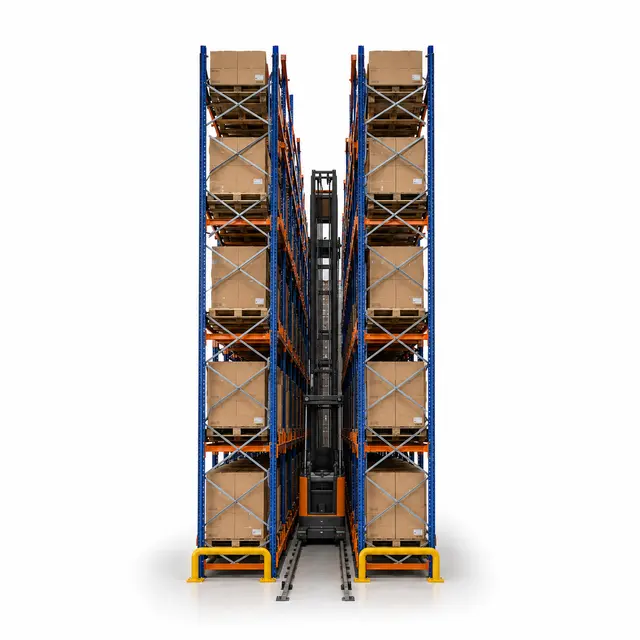
Heavy Duty Storage Rack
Professional-grade industrial storage systems engineered for massive pallet loads, offering extreme durability and 100% SKU accessibility for modern warehouses.
Technical Specifications
Global Shipping & Installation Available
Why This Solution?
- Optimized for high-traffic environments
- Premium finishes that enhance product value
- Rapid 24/7 global technical support
Core Technology & Applications
Heavy Duty Storage Racks: The Ultimate Engineering Guide for Industrial Warehousing
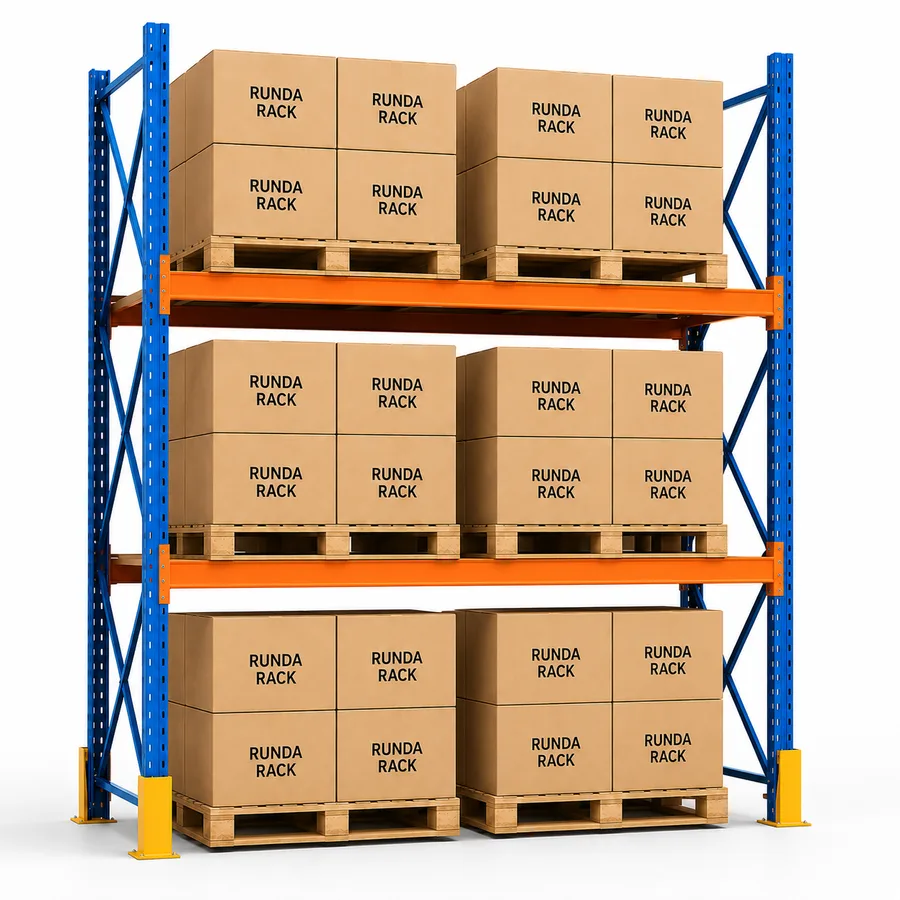
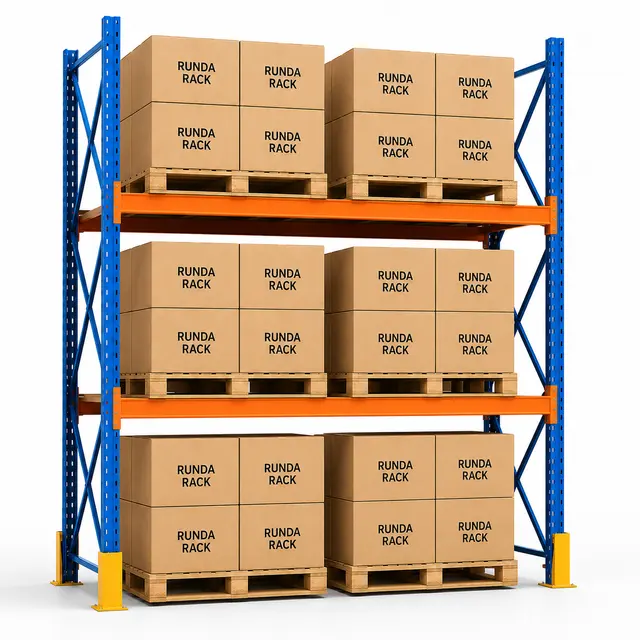
Heavy duty storage racks represent the structural foundation of the global supply chain. These are not merely shelves but highly engineered steel structures designed to manage static and dynamic loads that can reach several thousand kilograms per pallet position. Runda Rack provides a comprehensive approach to heavy-duty storage, focusing on precision engineering, material science, and long-term operational safety. This guide explores the technical intricacies that make our systems the preferred choice for high-volume distribution centers and heavy industrial facilities.
1. Context and Strategic Importance
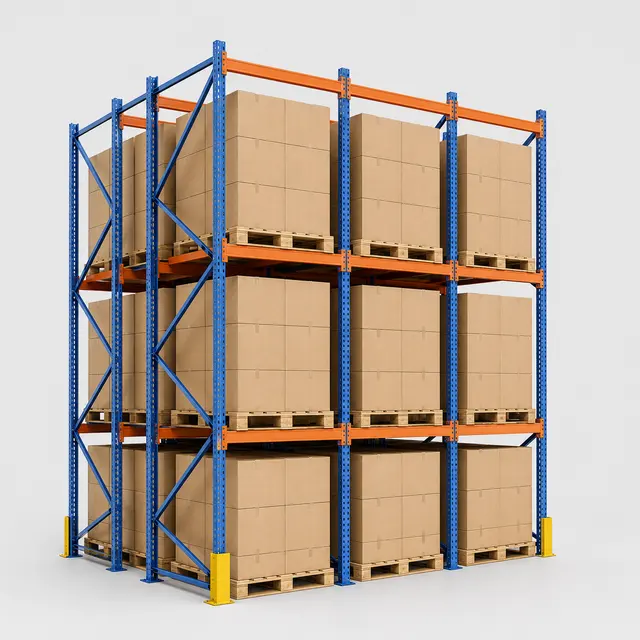
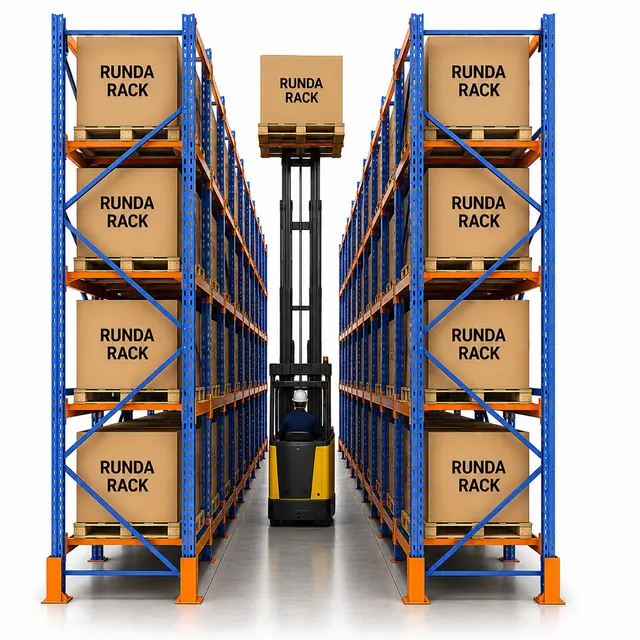
In the modern logistics landscape, land costs and operational efficiency drive the need for vertical expansion. Heavy duty pallet racking allows businesses to maximize their cubic volume, transforming floor space into high-density storage assets. By utilizing the vertical height of a facility (up to 15 meters or more), a well-designed racking system can increase storage capacity by 400% compared to floor stacking. Beyond capacity, these systems provide 100% accessibility to every pallet, which is critical for businesses dealing with a high number of Stock Keeping Units (SKUs) and requiring First-In, First-Out (FIFO) or First-In, Last-Out (FILO) inventory management.
2. Structural Engineering and Design Principles
The structural integrity of a heavy-duty rack depends on the interaction between upright frames and horizontal beams. At Runda Rack, we utilize Finite Element Analysis (FEA) to simulate various loading conditions and environmental stresses.
The Upright Frame
The vertical components, or uprights, are cold-formed into complex profiles. Unlike simple C-channels, our uprights feature multiple bends. Every bend in the steel increases the moment of inertia, making the profile significantly more resistant to buckling. The frames are braced using a combination of horizontal and diagonal struts, forming a Warren Truss pattern that efficiently transfers vertical loads and resists lateral forces generated by wind, seismic activity, or accidental forklift impact.
The Horizontal Beams
Beams are the primary load-bearing elements that support the pallets. We primarily use box beams, which consist of two C-sections interlocked and continuously welded. This design provides high resistance to both vertical deflection and horizontal twisting. The thickness of the steel and the depth of the beam are calculated based on the clear entry span and the required load per level. According to industry standards, the maximum deflection of a beam under full load should not exceed 1/200th of its length, a standard that Runda Rack strictly adheres to or exceeds.
3. Material Science and Manufacturing Excellence
The performance of a racking system is only as good as the steel from which it is made. Runda Rack sources high-tensile carbon steel, specifically grades Q235B and Q355B.
Steel Chemistry and Properties
Q235B steel offers an excellent balance of strength, ductility, and weldability. Its yield strength ensures that the rack can withstand its rated load without permanent deformation, while its ductility allows the structure to absorb energy during an impact without catastrophic brittle failure. For ultra-high systems or extreme load requirements, we utilize Q355B, which has a higher yield point, allowing for thinner profiles that maintain the same load capacity, effectively reducing the overall dead weight of the system.
Advanced Coating Technology
To protect the steel from oxidation and mechanical scratching, we employ a sophisticated powder coating process. The steel undergoes a 7-stage pre-treatment, including degreasing, pickling, and phosphating, which creates a microscopic surface texture that promotes maximum adhesion of the epoxy-polyester powder. The powder is then cured in a high-temperature oven at 200 degrees Celsius, resulting in a durable, non-porous finish that is resistant to moisture, chemicals, and UV radiation.
4. Return on Investment (ROI) and Operational Efficiency
Investing in a high-quality heavy-duty racking system is a strategic financial decision. The ROI is realized through several channels:
- Space Optimization: By quadrupling storage capacity within the same footprint, businesses can delay or eliminate the need for expensive warehouse expansions or new facility leases.
- Labor Productivity: Selective pallet racking allows forklift operators to access any SKU without moving other pallets. This reduces handling time and minimizes labor costs per unit shipped.
- Inventory Protection: Racking keeps pallets off the floor, protecting goods from dampness, pests, and accidental floor-level damage. It also organizes inventory, reducing the time spent on cycle counts and audits.
- Resale Value: High-quality modular racking maintains a high secondary market value, providing an exit strategy or asset liquidation option if business requirements change.
5. Safety Protocols and Risk Mitigation
Safety is the most critical aspect of industrial racking. A failure can result in massive property damage and, more importantly, loss of life. Runda Rack integrates multiple safety layers into every system.
Connection Security
The beam-to-upright connection is the most vulnerable point in a rack. Our connectors feature a multi-point claw design that increases the contact surface area. Each connector is fitted with a safety locking pin that must be manually removed, ensuring that a forklift cannot accidentally lift a beam out of its position.
Impact Protection
Forklift collisions are the primary cause of rack damage. We provide heavy-duty steel column protectors and end-of-aisle barriers. These accessories are bolted directly to the floor and are designed to absorb and deflect the kinetic energy of an impact, protecting the structural uprights from deformation.
Load Signage and Compliance
Every system we install comes with clear load capacity plaques. These signs specify the maximum allowable load per beam level and per bay. Training warehouse staff to respect these limits is a vital part of operational safety.
6. Installation and Maintenance
A racking system is only safe if it is installed correctly. Runda Rack provides professional installation services that ensure every component is perfectly aligned.
Professional Alignment
Uprights must be perfectly vertical (plumb) within strict tolerances (typically 1/500). Even a slight lean can significantly reduce the load-carrying capacity of the frame due to eccentric loading. Our installers use precision laser levels to ensure every row is straight and every frame is square.
Floor Anchoring
Each upright base plate is secured to the concrete floor using high-expansion bolts. The thickness and quality of the warehouse floor slab are critical, as the rack transfers all its weight through these small contact points. We perform pull-out tests where necessary to verify the anchoring integrity.
Ongoing Inspections
We recommend a formal inspection at least once every 12 months by a qualified rack inspector. These inspections look for signs of overloaded beams, missing safety pins, floor slab cracks, and, most importantly, any dents or creases in the uprights or bracing. Damaged components are categorized using a green/amber/red risk system, allowing managers to prioritize repairs and maintain a safe working environment.
By choosing Runda Heavy Duty Storage Racks, you are investing in a system that blends structural power with sophisticated design, ensuring your warehouse remains a safe, efficient, and profitable hub for years to come.
Core Technology Excellence
High-Tensile Steel Alloys
Manufactured from certified Q235B and Q355B cold-rolled steel for maximum load-to-weight ratio and long-term structural stability.
Sigma-Profile Uprights
Advanced upright geometry featuring 12+ fold points to maximize torsional resistance and load distribution efficiency.
Interference-Fit Connectors
Precision-engineered beam connectors that tighten under load, creating a rigid structure that mimics the stability of a welded frame.
Automated Finish Line
Multi-stage chemical pre-treatment followed by high-voltage electrostatic powder coating for a finish that resists chemical and physical abrasion.
Industry Applications
Global Logistics Hubs
Scalable solutions for 3PL providers requiring high-speed SKU rotation and absolute reliability in high-traffic zones.
Heavy Manufacturing
Extreme-load storage for engine blocks, industrial machinery, and raw metal stock with integrated safety barriers.
Cold Chain Storage
Rust-resistant galvanized systems designed to maintain structural integrity in sub-zero humidity-controlled environments.
Project FAQ
Q: What determines the actual loading capacity of a heavy duty rack system?
A: The loading capacity is determined by a combination of factors including the upright frame section profile, the beam length and cross-section, the vertical distance between beam levels, and the floor load-bearing capacity. Runda Rack calculates these variables using structural analysis software to ensure a safety factor of at least 1.5, meaning the system can theoretically handle 50% more than its rated load without structural failure.
Q: How does the environmental temperature affect the rack selection?
A: For standard ambient warehouses, we use high-grade Q235B steel with epoxy powder coating. However, for cold storage or deep-freeze environments (down to -40°C), we utilize specialized low-temperature carbon steel and a hot-dip galvanized finish. This prevents the steel from becoming brittle and protects against the corrosive effects of condensation and moisture common in cold chain logistics.
Q: Can heavy duty racks be customized for non-standard pallet sizes?
A: Yes, our systems are highly modular. We can customize the beam length to accommodate oversized pallets, IBC containers, or specialized industrial crates. We also offer various decking options such as wire mesh, timber, or steel panels to support loads that do not sit perfectly on the beams, ensuring safe and stable storage for any inventory type.
Q: What is the typical lifespan of a Runda Heavy Duty Rack system?
A: With proper installation and regular maintenance, our heavy-duty racks are designed for a service life exceeding 20 years. The use of robotic welding and industrial-grade powder coating provides superior resistance to mechanical wear and corrosion. We recommend annual safety inspections to identify and replace any components damaged by forklift impact to maintain the system's structural integrity.
Q: What safety features are integrated into the beam-to-upright connection?
A: Our beams utilize a 3 to 5-claw connector design that creates a tight interference fit with the upright teardrop or hexagonal holes. Each connection point is secured with a patented self-locking safety pin. These pins are designed to resist upward forces from forklift forks, preventing accidental beam dislodgement which is a leading cause of warehouse racking collapses.
Q: How does the pitch of the upright holes affect warehouse flexibility?
A: Our uprights feature a 50mm or 75mm hole pitch, allowing for incredibly granular adjustment of beam levels. This flexibility allows warehouse managers to optimize vertical space by tightening the gap between pallets of different heights, effectively increasing the total storage density of the facility by up to 15% without expanding the building footprint.
Q: Are Runda Heavy Duty Racks seismic-resistant?
A: Yes, we design systems specifically for seismic zones. This involves using larger base plates, heavy-duty floor anchors, and additional bracing (back-to-back ties and top-ties). We perform site-specific calculations based on local seismic acceleration data to ensure the rack structure remains stable and secure during an earthquake event.